

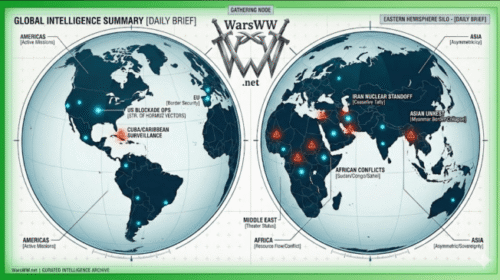
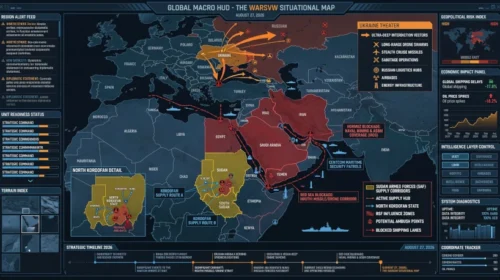
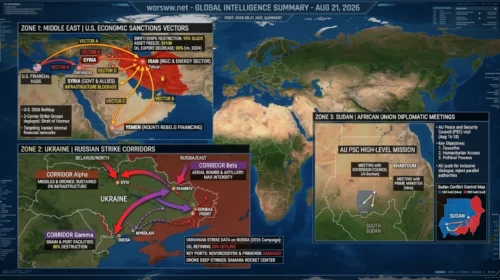




As of early 2026, the global landscape remains unfortunately busy with several high-intensity conflicts. Here is a summary of the most active war conflicts currently shaping world events:
Major Active Conflicts
Russia–Ukraine War
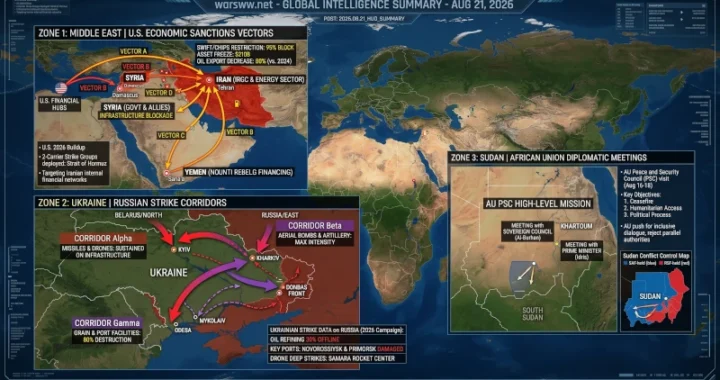
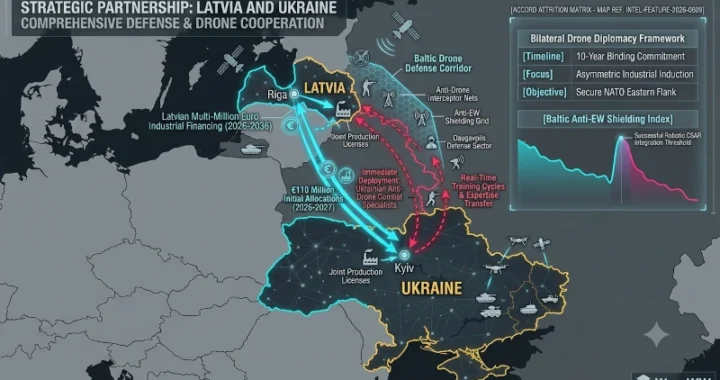
Now in its fourth year, this remains the deadliest conflict in Europe since World War II. It is a grinding war of attrition where Russia continues its full-scale invasion while Ukraine defends its sovereignty with significant Western backing. The front lines are heavily entrenched in the Donbas and southern regions.
Sudanese Civil War
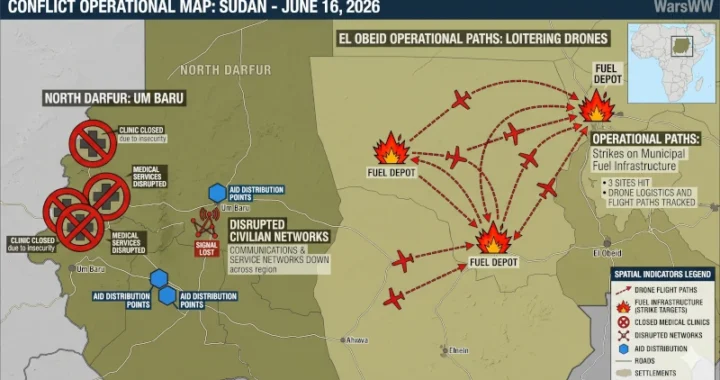
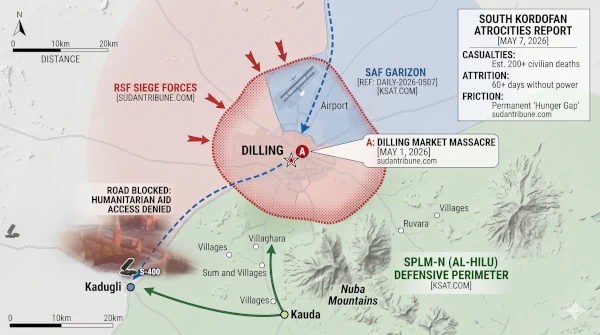
A brutal power struggle between the Sudanese Armed Forces (SAF) and the paramilitary Rapid Support Forces (RSF). This conflict has triggered one of the world’s worst humanitarian crises, characterized by widespread famine, mass displacement, and ethnic violence, particularly in the Darfur region.
Israel–Hamas & Regional Conflict
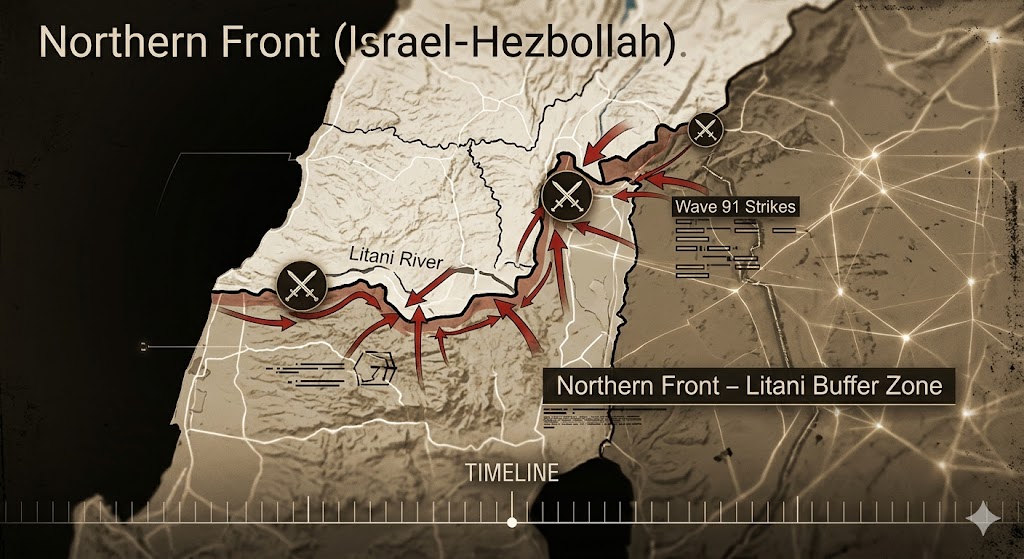
While some areas have seen “shaky” ceasefires, active combat continues between Israel and Hamas in Gaza. The conflict has expanded to include frequent exchanges with Hezbollah in Lebanon and direct confrontations with Iran, keeping the entire Middle East on a knife-edge.
Myanmar Civil War
A complex internal war where a coalition of ethnic armed organizations and “People’s Defence Forces” (PDF) are fighting to overthrew the military junta that seized power in 2021. The resistance has gained significant ground, but the junta continues to use heavy artillery and airstrikes.
Eastern DR Congo Conflict
A long-standing struggle involving dozens of armed groups (most notably the M23 rebels) fighting the Congolese government and each other. The conflict is largely driven by ethnic tensions and control over the region’s vast mineral wealth.
Escalating & Emerging Flashpoints
- U.S.–Venezuela Tensions Entering 2026, this has shifted from a diplomatic standoff to a high-risk military confrontation. Increased U.S. pressure and military buildup near Venezuelan waters have led to direct skirmishes and fears of a total state collapse or regional war.
- Ethiopian Internal Conflicts Despite past peace deals, fresh fighting has erupted between the federal government and regional militias (specifically the Fano in Amhara and the OLA in Oromia). Tensions are also high with neighboring Eritrea over port access and border disputes.
- The Sahel Insurgencies (Mali, Burkina Faso, Niger) A “triple-border” crisis where military-led governments are battling intensifying insurgencies from ISIS and Al-Qaeda affiliates. These conflicts have largely pushed out Western influence in favor of private military contractors (like the former Wagner Group).
- Afghanistan–Pakistan Border Conflict Armed clashes have intensified along the Durand Line. Tensions are fueled by disputes over border fencing and accusations that the Taliban is harboring militants (TTP) who carry out attacks inside Pakistan.

1. The Russia–Ukraine War (The War of Attrition)
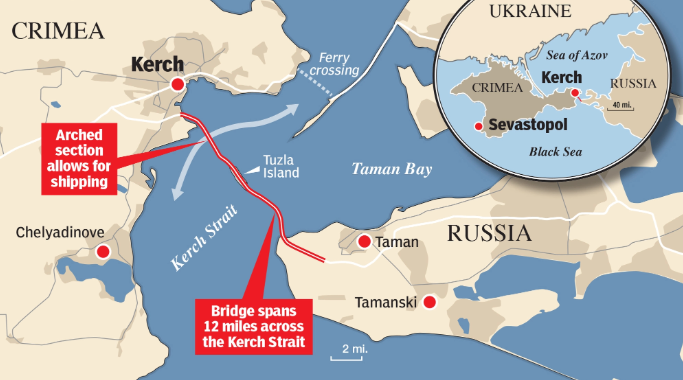
- History & Origins: This conflict traces back to 2014 with the annexation of Crimea, but escalated into a full-scale invasion in February 2022. By March 2026, the war has entered a “grinding” phase. While Russia has made marginal gains in the Donbas, it has suffered nearly 1.2 million casualties. Ukraine remains a sovereign nation but is heavily dependent on Western military and financial aid to maintain its defense.
- Economic Impact:
- Infrastructure Destruction: Ukrainian strikes on Russian energy infrastructure have knocked out nearly 40% of its oil refining capacity as of early 2026, leading to massive power outages in Russian border regions like Belgorod.
- GDP & Deficit: Ukraine’s economy has contracted by over 21% since the invasion, with a staggering budget deficit of 18.5%. Russia’s economy is heavily skewed toward a “war footing,” with manufacturing declining and long-term growth stagnating at around 0.6%.
- Global Commodities: The war continues to fluctuate global grain prices, as Ukraine was historically one of the world’s largest exporters of wheat and sunflower oil.
2. The Middle East Regional War (The 2026 Iran Escalation)
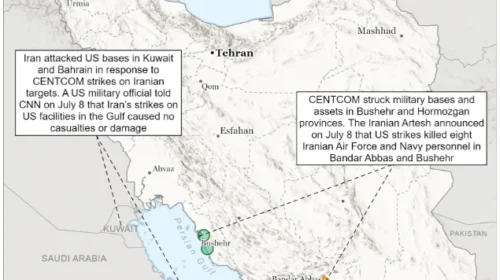
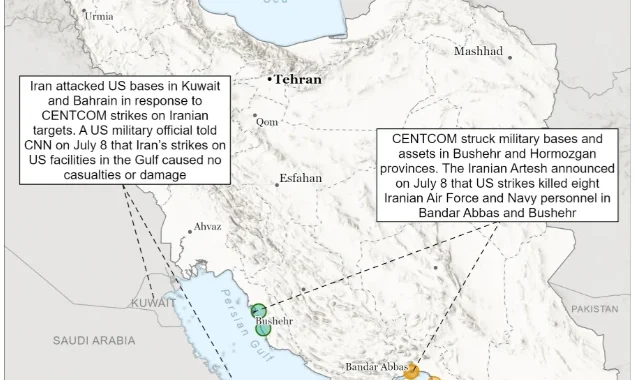
- History & Origins: After decades of proxy wars involving Hamas in Gaza and Hezbollah in Lebanon, the situation fundamentally changed on February 28, 2026, when the U.S. and Israel launched joint strikes on Iran. This followed months of escalating maritime attacks and direct missile exchanges.
- Economic Impact:
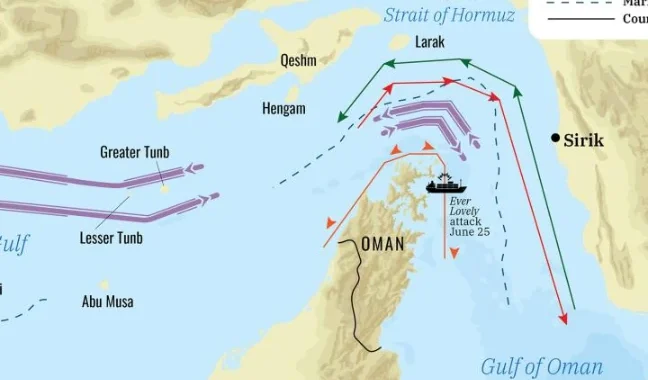
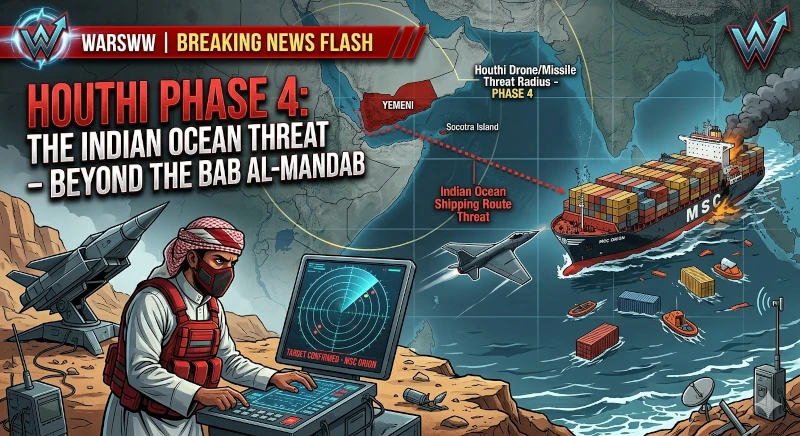
- Energy Shock: The effective closure of the Strait of Hormuz has disrupted approximately 20% of global oil supplies. Brent Crude prices spiked from $70 to over $110 per barrel within days of the March 2026 escalation.
- Stagflation Risk: Economists warn of “stagflation” (stagnant growth + high inflation). Asian countries (China, Japan, India) are particularly vulnerable, as they rely on the Persian Gulf for up to 90% of their oil needs.
- Trade & Shipping: Maritime insurance premiums have skyrocketed, and major ports like Jebel Ali have seen significant disruptions, stalling global supply chains for petrochemicals and fertilizers.
3. The Sudanese Civil War (The Humanitarian Crisis)
- History & Origins: The war broke out in April 2023 between the Sudanese Armed Forces (SAF) and the Rapid Support Forces (RSF). It is a power struggle between two generals who were formerly allies. By 2026, the country has faced a “de facto partition,” with the RSF controlling much of the west (Darfur) and the SAF holding the north and east.
- Economic Impact:
- Famine & Displacement: It is currently the world’s worst humanitarian crisis, with over 12 million people displaced. Famine is widespread because the warring factions have systematically targeted food supplies and agricultural hubs.
- Resource Pillaging: Sudan’s gold mines—a major source of revenue—have been pillaged by paramilitary groups and foreign contractors, draining the nation’s wealth.
- Nile Water Security: The instability threatens the management of the Nile’s resources, causing diplomatic and economic tension with downstream neighbors like Egypt, which relies on the river for 90% of its fresh water.
Economic Comparison (March 2026 Estimates)
| Conflict | Primary Economic Victim | Global Market Affected | Estimated Price Spike |
| Russia-Ukraine | Energy/Agriculture | Wheat, Natural Gas | 15–20% (Regional) |
| Iran-Israel | Global Energy/Trade | Crude Oil, LNG, Fertilisers | 40% (Global) |
| Sudan | Human Capital/Resources | Gold, Nile Water Rights | N/A (Internal Collapse) |
It’s a sobering picture—the world is currently navigating the most significant energy and security challenges since the 1970s.
It’s a lot to take in—the world is definitely in a “high-friction” phase right now. WarsWW will dive deeper into the specific history or the humanitarian and economic impact of any of these particular conflicts?
To understand the current state of global conflict in early 2026, it is necessary to look at how long-standing tensions have recently boiled over into major regional wars with massive economic “price tags.”
View our new project: Global Conflict Drone Intelligence https://military-drone-tracker-21.created.app/