Up Front Apr 28, 2026
BLUF
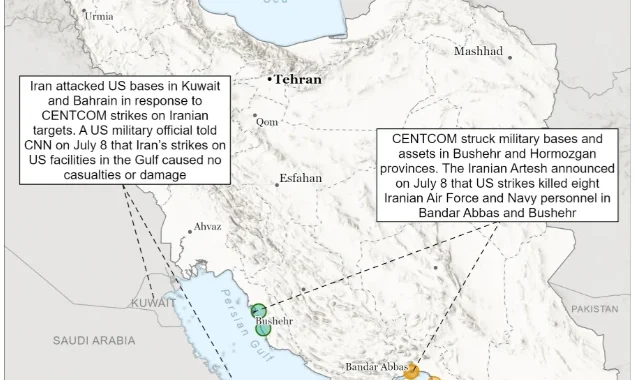
Iran-U.S. nuclear negotiations are deteriorating rapidly, with Trump signaling readiness to resume bombing and Iran’s latest proposal unlikely to gain acceptance — the Strait of Hormuz remains closed and the UNSC held an emergency session demanding its reopening. A catastrophic Colombian highway bombing (21 dead) marks the worst civilian attack in the country in decades. Markets are exhibiting a split signal: tech-led equity gains mask an underlying Fear sentiment reading of 33, with crude oil elevated above $97 on continued Persian Gulf supply disruption.
KEY DEVELOPMENTS
- ▸Iran-U.S. Negotiations Collapsing (HIGH confidence): Multiple U.S. officials confirm to WSJ that Trump will resume bombing Iran if talks prove fruitless. Iran’s latest proposal does not require upfront concessions on highly enriched uranium or enrichment capacity — a non-starter per U.S. red lines. IAEA chief warns that strikes may set Iran back but are unlikely to end its nuclear program. Polymarket gives only 40% probability to a ceasefire extension, having barely moved despite active talks.
- ▸Strait of Hormuz Closure Continues (HIGH confidence): The UN Security Council held an emergency open debate on maritime security, with Secretary-General Guterres warning the Hormuz disruption has “struck” global energy security and food supplies since early March. The U.S. Navy is enforcing a growing global maritime blockade on Iranian commerce with authorized lethal force. No resolution timeline is visible.
- ▸Colombia Mass Casualty Attack (HIGH confidence): A highway bombing blamed on cocaine-trafficking rebels (likely FARC dissidents) killed 21 civilians, making it Colombia’s worst attack on civilians in decades. This comes weeks ahead of Colombia’s May 31 presidential election and will dominate the security political landscape.
- ▸Russia Reveals S-71K “Kovyor” Cruise Missile (MODERATE confidence): Ukraine’s HUR intelligence released detailed imagery of the S-71K, a new Russian stealth air-launched cruise missile with 300km range and a 250kg warhead. Designed to be producible at scale as a cost-effective standoff penetrator, it represents a meaningful capability upgrade for Russian strike operations.
- ▸Washington Press Dinner Shooting Incident (HIGH confidence): A gunman attempted to breach the White House Correspondents’ Dinner. A Secret Service agent with an MP7 PDW intercepted the threat. The incident highlights persistent domestic security vulnerabilities at high-profile events.
- ▸King Charles III Arrives for Four-Day U.S. Visit (HIGH confidence): The visit carries symbolic and diplomatic weight. UK officials reportedly fear a “Zelensky-style clash” with Trump — a public rupture that could strain the Special Relationship at a moment of European security stress.
- ▸Mali Coordinated Attacks Escalating (MODERATE confidence): Al Jazeera is reporting on a pattern of coordinated attacks across Mali, consistent with sustained jihadist pressure on the Malian junta and regional partners. FIRMS satellite fire data in the Sudan-Ethiopia corridor corroborates elevated fire activity across the Sahel.
- ▸Indonesia Train Crash Near Jakarta (HIGH confidence): At least five killed, rescue ongoing; a significant mass-casualty incident in Southeast Asia’s most populous nation.
- ▸CISA Critical Advisory — Intrado 911 Emergency Gateway (HIGH confidence): A critical-severity vulnerability in the Intrado 911 Emergency Gateway (EGW) was disclosed. This is a critical infrastructure asset; exploitation could degrade U.S. emergency response systems.
- ▸China-Nexus Covert Device Networks (MODERATE confidence): CISA published a major advisory on defending against Chinese state-linked covert networks of compromised IoT/edge devices — consistent with broader Volt Typhoon-style pre-positioning operations.
REGIONAL HIGHLIGHTS
Americas
Colombia’s highway bombing by narco-rebel factions is the defining event — 21 dead, worst civilian attack in decades. With the presidential election on May 31, this will harden security debates and may accelerate government negotiations or military operations against FARC dissidents. Severe weather continues across the U.S. Midwest: tornado watches across southern Illinois, flash flooding along the Missouri River extending through May 1. Wildfire FEMA declarations remain active in Florida (Cow Creek, Railroad Complex fires) and Georgia.
Europe
King Charles III’s White House visit carries transatlantic diplomatic significance under conditions of Anglo-American stress over Ukraine policy. German Chancellor Merz has publicly floated the idea of Ukraine ceding territory as a condition for EU membership — a significant rhetorical shift that signals Western negotiating posture changes. Russia expanded its EU sanctions list targeting officials involved in arming Ukraine. USS George R. Ford (CVN-78) remains positioned in the Eastern Mediterranean / Red Sea region.
Middle East
Iran diplomacy is the dominant story. The ceasefire struck April 7 is under maximum stress; U.S. bombing resumption is openly threatened. Iran’s Hormuz closure continues to extract global economic pain, with the UNSC now convened but unable to compel action. Bahrain stripped 69 people of citizenship over alleged Iran support — a signals-intelligence indicator of Gulf state pressure. USS Abraham Lincoln (CVN-72) remains positioned in the Arabian Sea; USS Gerald R. Ford in the Eastern Mediterranean. Israeli settler violence against Palestinians and house-burning was reported, adding friction to West Bank security.
Asia-Pacific
A M6.1 earthquake struck Hokkaido, Japan (370,000 in MMI V zone; green alert, no tsunami). Two M4.5 earthquakes near Kuqa, Xinjiang, China. A M4.6 struck off Kokopo, Papua New Guinea. The Indonesia train crash near Jakarta killed five. The West Bengal Legislative Assembly election is three days away (April 29). USS George Washington (CVN-73) remains in port at Yokosuka.
Africa
Coordinated jihadist attacks across Mali are intensifying, consistent with a broader Sahel deterioration pattern. Satellite fire data shows active burn zones across South Sudan and Ethiopia. Sudan’s ongoing conflict continues. No new major kinetic developments in East Africa in the last 24 hours, though WHO measles outbreak in Bangladesh (166 deaths, 19,000+ suspected cases across 58 districts) merits monitoring given regional proximity.
INDICATORS TO WATCH
- Iran Nuclear Talks (Next 24–48 hrs): Watch for any formal U.S. rejection or counter-proposal to Iran’s latest offer. Trump administration signaling (Truth Social, WSJ briefings) will be the leading indicator. A breakdown = high probability of U.S. airstrikes resuming.
- Strait of Hormuz — Shipping Traffic and Tanker Movements: Any resumption of tanker transits or Iranian signal of willingness to reopen Hormuz would be a major market-moving development. AIS dark-ship tracking and USNI fleet movements are key sensors.
- King Charles–Trump Meeting Outcomes: Public optics of the meeting will signal the health of the UK-U.S. relationship on Ukraine, NATO burden-sharing, and trade (UK-U.S. tariff deal under negotiation).
- West Bengal Election (April 29): Closely contested; result will have implications for Indian domestic politics and BJP-opposition dynamics heading into state-level electoral cycles.
- Intrado 911 EGW Vulnerability Exploitation: Monitor CISA and sector-specific ISACs for any indicators of active exploitation of this critical-severity emergency services infrastructure vulnerability.