Warsww Daily Brief July 29 2026 US Iran Pause Houthi Red Sea Blockade Saudi Oil Targeted
WarsWW Daily Brief | July 29, 2026
Intelligence Status: ASYMMETRIC METASTASIZATION / GULF STANDOFF / ENERGY CHOKEPOINT COMPULSION
Global Security Index: 9.6/10 (Severe Macro-Systemic Instability)
I. Middle East: The Paused Standoff and the Shadow War Expansion
The direct conventional conflict between U.S. and Iranian forces is currently observing an uneasy operational pause on symmetric fronts. However, the conflict is rapidly metastasizing as Tehran activates its regional proxy network to conduct high-impact asymmetric strikes targeting economic and energy infrastructure.
Gulf Theater Proxy Conflict Matrix
| Theater Node | Executive Agent | Core Strategic Action | Documented Operational Impact |
| Persian Gulf | Iran-aligned Militias (Iraq/Levant) | Drone & Missile Volleys | Iranian proxies hammer Saudi oil infrastructure, targeting refineries and pipelines with increased frequency. |
| Red Sea / Bab el-Mandeb | Houthi Ansar Allah | Maritime Blockade / Chokepoint Strangulation | Houthis are strangling Red Sea shipping lanes, interdicting vessels via drone strikes and warning shots near Bab el-Mandeb. |
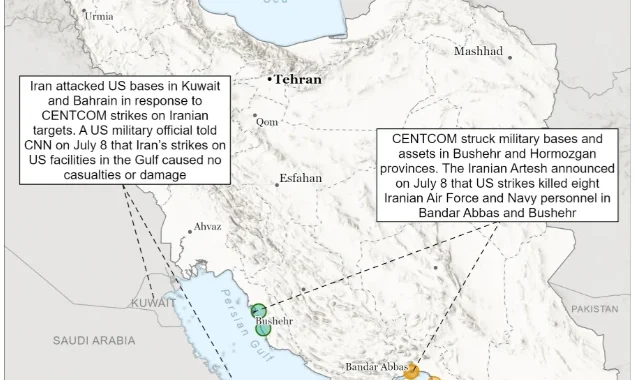
| Strait of Hormuz | IRGC Navy | Strict Navigational Control | Tehran maintains its transit interdiction campaign, firing warning shots to stop merchant vessels attempting unauthorized or “unsafe” passage. |
II. Energy Warfare: Houthis Enforce Red Sea Strangulation and Target Aramco
The focus of Iranian compulsion has shifted toward economic attrition, leveraging its proxies to paralyze the region’s critical energy transport corridors.
- Red Sea Blockade: Houthi forces have dramatically escalated their campaign near Bab el-Mandeb, enforcing a maritime blockade that is effectively strangling international commercial transit. Shipping operators are rerouting around Africa, significantly increasing costs and delay times for global trade.
- Targeting Inland Infrastructure: Operating in tandem with the naval chokepoint strategy, Houthi units have executed deep-strike drone and missile volleys targeting key Saudi Arabian energy facilities. Recent attacks hit infrastructure in Jizan and Yanbu along the Red Sea coast, confirming the metastasization of the conflict onto inland logistical targets.
III. Gulf Maritime Status: Standoff at the Chokepoints
While large-scale conventional kinetic action has paused, Tehran is leveraging geographical strangulation tools to enforce new parameters for maritime transit.
- Strait of Hormuz Monitoring: The Islamic Revolutionary Guard Corps (IRGC) Navy is conducting “strict navigational monitoring,” actively interdicting and turning back commercial vessels that refuse to adhere to Tehran’s newly established transit protocols. Iranian state media has broadcast footage of IRGC units firing warning shots to compel merchant ships to alter course.
WarsWW Intelligence Note [REF: INTEL-DEBRIEF-2026-0729]
The current conventional pause is a tactical deception; the war has shifted to a more volatile Asymmetric Metastasis phase. By compartmentalizing the conflict through decentralized proxy actions, Tehran has insulated its core leadership and conventional forces from immediate retaliation while successfully imposing a massive economic toll on the global order. The dual-chokepoint strangulation strategy, combining symmetric IRGC control in Hormuz with asymmetric Houthi interdiction in Bab el-Mandeb, demonstrates a highly coordinated campaign to assert dominance over critical maritime energy corridors. Expect this phase of economic compulsion to intensify until the current parameters are fundamentally challenged.