WarsWW Weekly Brief October 15 2026 Strait Of Hormuz Ship Sinking Ukraine UAV Attrition Sudan Displacement
WarsWW Weekly Brief | October 15, 2026
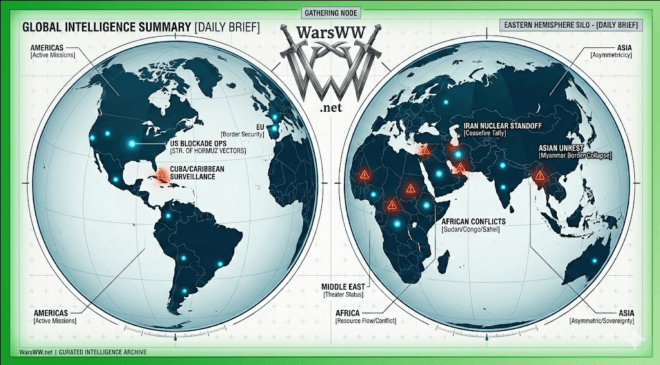
Intelligence Status: GULF MARITIME ESCALATION / UKRAINIAN ATTRITION & DRONE SWARMS / HORN OF AFRICA CONFLICT DISPLACEMENT
Global Security Index: 9.99/10 (Critical Cross-Theater Volatility)
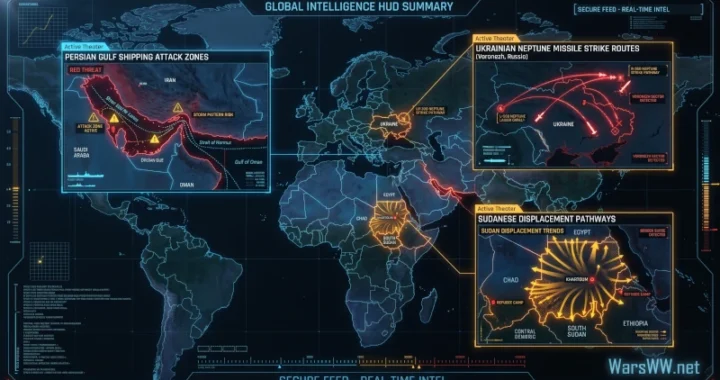
I. Middle East: Maritime Interdictions Accelerate in Hormuz as Tehran Signals Readiness for Escalation
The strategic standoff across the Persian Gulf and Gulf of Oman intensified as direct naval interdictions and chokepoint disruptions reached peak frequency. Following the destruction of an Iranian-linked spotter dhow by U.S. forces, the Islamic Revolutionary Guard Corps (IRGC) Navy reported that a container ship carrying over 2,500 containers sank near the Strait of Hormuz after striking a naval mine. Maritime authorities have logged at least ten ship strikes within days, marking the highest frequency of maritime attacks in the corridor to date.
┌─────────────────────────────────────────────────────────────────────────┐
│                 PERSIAN GULF MARITIME & TACTICAL MATRIX                 │
├───────────────────────┬─────────────────────────────────────────────────┤
│ Active Chokepoint     │ Strait of Hormuz & Gulf of Oman Corridor        │
│ Kinetic Vectors       │ Naval Mines, Unmanned Spotter Boats, Airstrikes │
│ Diplomatic Stance     │ Speaker Qalibaf Demands "Courageous" Defense    │
│ Strategic Risk        │ Unregulated Shipping Route Collapses            │
└───────────────────────┴─────────────────────────────────────────────────┘
- IRGC Tactical Shift: U.S. military monitors reported that Iranian forces are increasingly utilizing unarmed spotter craft to track naval patrols and commercial tankers in the Gulf of Oman. Meanwhile, senior IRGC officials warned that the expanding conflict carries consequences comparable to historic world wars.
- Diplomatic & Defense Posture: Iranian Parliament Speaker Mohammad Bagher Qalibaf confirmed that while back-channel negotiations continue, Tehran is preparing for prolonged military confrontation, explicitly stating that signed accords offer no standalone guarantee against renewed attacks.
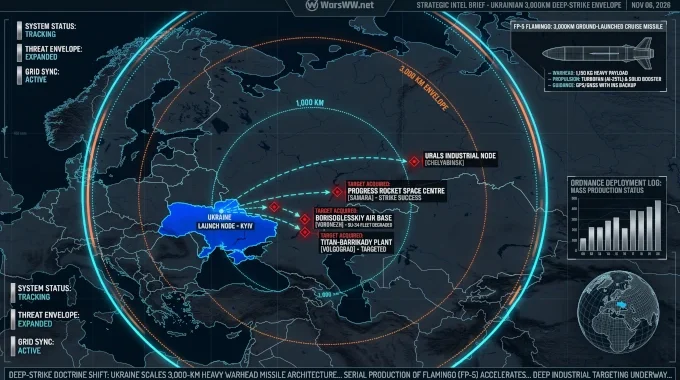
II. Eastern Europe: Ukrainian Frontline Attrition and High-Volume UAV Swarms
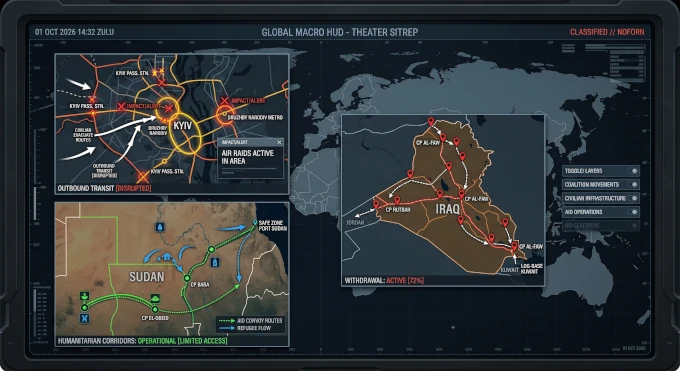
In Eastern Europe, high-intensity combat along the eastern Ukrainian frontline continues to drive catastrophic material and personnel attrition figures. Ukrainian defense networks report maintaining dense air defense and electronic warfare coverage against ongoing Russian loitering munition waves.
Eastern European Attrition Metrics
| Target Coordinate Node | Metric & Weapon System Profile | Documented Strategic Attrition |
| National Airspace | Operational-Tactical UAVs | Ukrainian Ministry of Defense reported intercepting 1,308 UAVs in a single 24-hour cycle. |
| Frontline Sectors | Heavy Equipment & Personnel | Total enemy combat personnel losses reached an estimated 1,559,230. |
| Civilian Infrastructure | Multi-Theater Artillery Barrages | UN monitors confirm cumulative civilian casualties exceed 17,000 fatalities nationwide. |
- Air Defense Engagement: The General Staff of the Armed Forces of Ukraine confirmed sustained long-range drone and artillery engagements, highlighting the continued reliance on high-volume unmanned systems to degrade logistics lines.
III. Sub-Saharan Africa: Cultural Preservation Efforts Amid Mass Displacement in Khartoum
In Sudan, civil war hostilities have produced severe human displacement across central and western states. Humanitarian organizations are scaling up emergency aid delivery alongside initiatives aimed at protecting displaced populations.
- Intangible Heritage Protections: The UNESCO Sudan Office launched capacity-building initiatives in Khartoum State to document and preserve the living traditions and cultural practices of displaced communities.
- Regional Refugee Pressure: The UN High Commissioner for Refugees (UNHCR) documented ongoing cross-border refugee flows into neighboring countries including Chad, South Sudan, Egypt, and Libya, driven by persistent security collapses in frontline localities.
WarsWW Intelligence Note [REF: INTEL-DEBRIEF-2026-1015]
The escalation in naval interdictions in the Strait of Hormuz signals a transition toward Asymmetric Maritime Chokepoint Warfare. As non-standard naval tactics—such as spotter craft and naval mines—disrupt commercial routes, energy security costs are compounding globally. Combined with sustained high-volume unmanned engagements in Eastern Europe, global defense networks remain stretched across multiple active operational theaters.