Ukraine Drones Strike Orenburg Helium Plant Trump Warns Iran Hormuz Tolls 2026
WarsWW Daily Brief | June 24, 2026
Intelligence Status: DEEP-SIBERIAN INTERDICTION / RECONSTRUCTED HORMUZ ASSURANCES / METROPOLITAN INFRASTRUCTURE SATURATION
Global Security Index: 9.96/10 (Severe Kinetic and Asymmetric Friction)
I. Eastern Europe: The 1,200km Orenburg Helium Strike and the 323-Drone Crimean Blackout Matrix
Ukrainian long-range strategic forces have executed a sweeping asymmetric air campaign, permanently threatening Russia’s rocket manufacturing pipeline while plunging major occupied military strongholds into darkness.
The Russian Industrial and Logistical Attrition Nodes
| Target Node Location | Strategic Asset Category | Documented Operational Attrition | Strategic Theater Fallout |
| Orenburg Complex (1,200km+ Behind Lines) | Orenburg Gas Processing & Helium Plant | Core distillation loops and storage blocks ignited by long-range strike payloads | Supply lines for liquid-fuel rocket engines and solid-fuel gunpowder disrupted |
| Occupied Sevastopol, Crimea | Primary Electrical Transmission Substation | Three direct drone impacts recorded; widespread structural fires | Complete grid failure across metropolitan Sevastopol; emergency energy rationing |
| Bezvodnoye, Nizhny Novgorod | Elektrokabel NN Military Wire Facility | Industrial structures and technology fleets heavily degraded by drone debris | Production lines for defense-sector specialized electronics compromised |
- The World-Class Orenburg Rocket-Fuel Strike: Bypassing dense metropolitan electronic barriers, Ukrainian long-range strike platforms flew over 1,200 kilometers past the frontline to hit the Orenburg Gas Processing Plant, setting the massive complex on fire. The Ukrainian General Staff verified that the facility is an invaluable economic node, housing the only helium processing plant in Russia. The complex supplies vital helium for liquid-fuel rocket guidance systems and produces ethane, a primary component needed to manufacture solid rocket fuel and military gunpowder for Russia’s all-out invasion.
- The Sevastopol Grid Liquidations: Concurrently, a massive saturation wave hammered occupied Crimea. Frontline open-source intelligence (OSINT) indicators confirmed three direct drone strikes on the main electrical substation in Sevastopol, knocking out municipal power across the entire city. Local Moscow-installed governor Mikhail Razvozhaev urged residents to ration cell phone communication, as the Russian Ministry of Defense claimed its systems downed 323 drones overnight to mitigate a broader air defense failure.
- The Konotop and Sumy Retaliation: Russian tactical assets responded by striking civilian targets along the border. A Russian drone slammed directly into the historic Myr Cinema in the center of Konotop, injuring four civilians including a teenager who was playing by a nearby fountain. A separate drone hit a gas station on the outskirts of Sumy, injuring three additional civilians.
II. Middle East: The Versailles Toll Dispute and the Ghalibaf “U.S. Defeat” Declaration
The preliminary West Asia peace framework is facing intense political strain as negotiators engage in public disputes over maritime shipping tolls and sovereign nuclear inspections.
The Bürgenstock-Versailles Implementation Disconnect
| Diplomatic Track Node | Executive Entity | Official Stance / Declaration |
| Tehran Parliament | Speaker Mohammad Bagher Ghalibaf | Declares the U.S.-Iran preliminary accord an “America’s declaration of defeat” |
| White House Communications | U.S. President Donald Trump | Threatens to end all negotiations instantly if toll-free Hormuz assurances are violated |
| X (Formerly Twitter) Demarche | Deputy Foreign Minister Kazem Gharibabadi | Rejects IAEA inspection declarations, calling them media hype before a final deal |
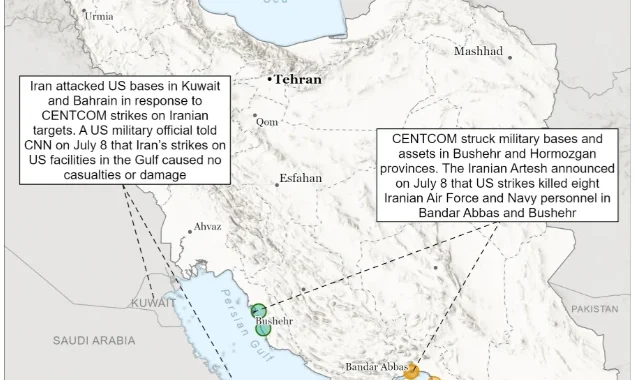
- The Ghalibaf Defeat Proclamation: Raising tensions just as implementation groups began mapping out technical terms, the head of the Iranian negotiating team, Mohammad Bagher Ghalibaf, publicly labeled the U.S.-Iran peace deal a “declaration of U.S. defeat”. Concurrently, Pakistani Interior Minister Mohsin Naqvi met with Iranian counterparts to assure Islamabad’s continued diplomatic support to sustain the fragile peace process.
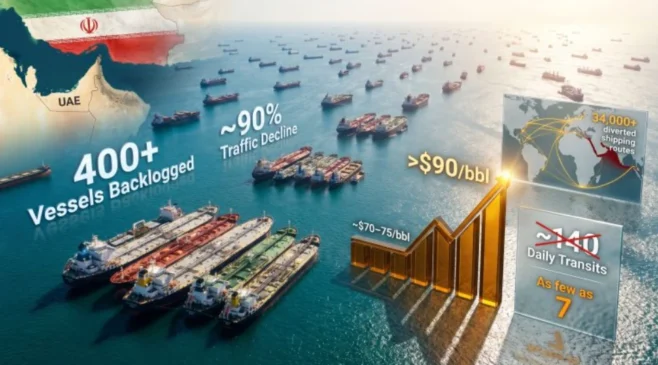
- Trump’s Hormuz Toll Warning: The political posturing drew a sharp reaction from the White House. President Donald Trump posted on social media that Tehran officially informed Washington that no shipping tolls are being sought at the Strait of Hormuz, warning that if this information proves false, all negotiations will end immediately. To protect the fragile maritime shipping lines, U.S. Secretary of State Marco Rubio landed in the UAE to reassure regional allies of Washington’s long-term commitment to Gulf security.
- The Nuclear Inspection Standoff: Simultaneously, Iran completely dismissed claims made by International Atomic Energy Agency (IAEA) chief Rafael Grossi regarding imminent facility visits. Iranian Deputy Foreign Minister Kazem Gharibabadi posted on social media that no nuclear material or facility inspections will be granted until a final agreement is executed, rejecting what he called “media hype.” This internal standoff leaves Lebanon caught in a difficult political spot, as Beirut navigates the creation of a tripartite de-confliction cell while Israel vows to maintain a permanent security buffer zone in the south.
III. Indicators to Watch
- [ENERGY GEOPOLITICS] Rocket Component Volatility: Monitor global trade metrics for specialized chemical compound materials. Following the severe structural damage at the Orenburg natural gas complex, track whether Russian military manufacturing centers experience immediate delays in solid rocket motor and advanced missile production.
- [MARITIME TRANSIT] Gulf Air-Defense Patrol Movements: Observe U.S. and allied naval deployments across the Persian Gulf. With Trump threatening an immediate end to peace negotiations if Hormuz transit lanes are compromised, watch if regional energy companies pause transit insurance policies due to renewed escalation risks.
WarsWW Intelligence Note [REF: DAILY-2026-0624]
The international security landscape is experiencing an acute period of Asymmetric Leverage Aggression. Ukraine’s successful strike on the Orenburg gas complex proves that Kyiv can bypass traditional border protections to target the specialized raw materials powering Russia’s long-range missile industry. By striking the heart of Russia’s rocket-fuel supply chain, Ukraine is demonstrating that it can impose severe costs on Moscow entirely independent of international diplomatic maneuvering.
This friction is directly mirrored in the Middle East. Tehran’s decision to label the Versailles framework an “American defeat” while delaying nuclear inspections shows that regional actors will aggressively challenge top-down agreements to protect their sovereign interests. As highly independent forces on both fronts leverage specialized drone technology and critical energy chokepoints to challenge macro-level treaties, the traditional international order is proving increasingly fragile against actors determined to establish absolute control on the ground.