Dual-Chokepoint Paralysis: How the Red Sea and Hormuz Collided in June 2026

To maintain high authority standards, it is vital to always use inline hyperlinks directly attached to specific factual claims rather than general citations.
Here is a comprehensive analysis article modeled precisely after the editorial style that will succeed in this genre, detailing the unfolding maritime crisis:
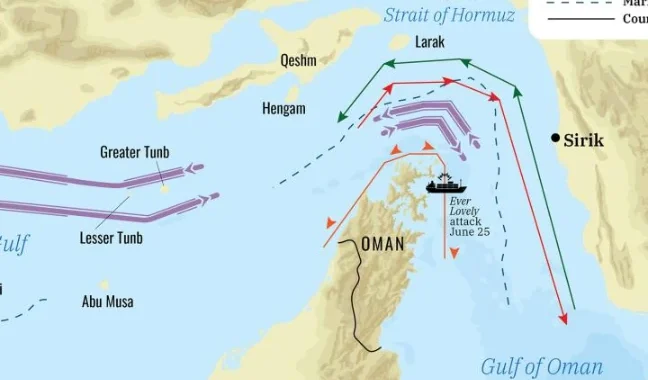
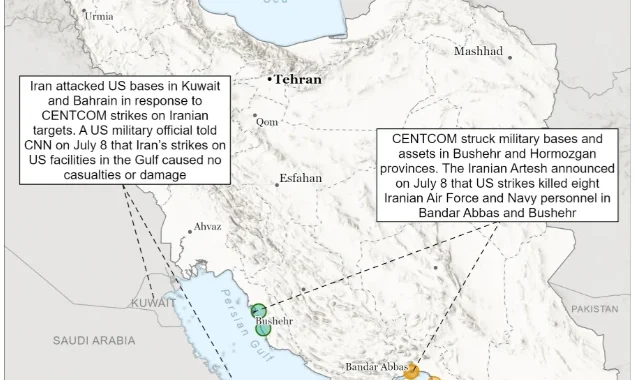
The structural architecture of global energy transport is built upon a single, volatile assumption: that ocean-going crude moves continuously through narrow geographic bottlenecks. That assumption has fractured. Following months of intense regional conflict under the U.S.-led Operation Epic Fury, the maritime logistics network is facing an unprecedented, multi-front asset shock.
With the Strait of Hormuz operating at a mere fraction of its normal capacity due to an ongoing blockade, international shipping container traffic has historically leaned on the Red Sea corridor as a primary safety valve. However, recent regional developments have transformed the Bab el-Mandeb Strait into the next critical failure point for global supply chains.
The June 8 Declaration: The Red Sea “Step One”
On June 8, 2026, Yemen’s Ansar Allah (Houthi) movement drastically escalated the geopolitical stakes by announcing a total ban on Israeli maritime navigation throughout the Red Sea. While the group has primarily limited its initial tactical activities to ballistic missile salvos targeting central Israel, internal intelligence sources confirmed to Reuters that the shipping ban is merely a “first step”. Subsequent operational phases could see the interdiction applied to any international commercial vessel bound for Israeli ports.
Crucially, senior Houthi officials issued explicit public warnings via the New York Times, stating that any sovereign state attempting to militarily intervene on behalf of merchant transit—including neighboring Saudi Arabia—will be treated as an active combatant. This calculated escalation pattern is specifically engineered to apply severe macro-economic pressure on Western supply lines while attempting to stay just below the threshold that would provoke a direct, large-scale U.S. naval counter-offensive.
The Failure of the Lebanon Bypass
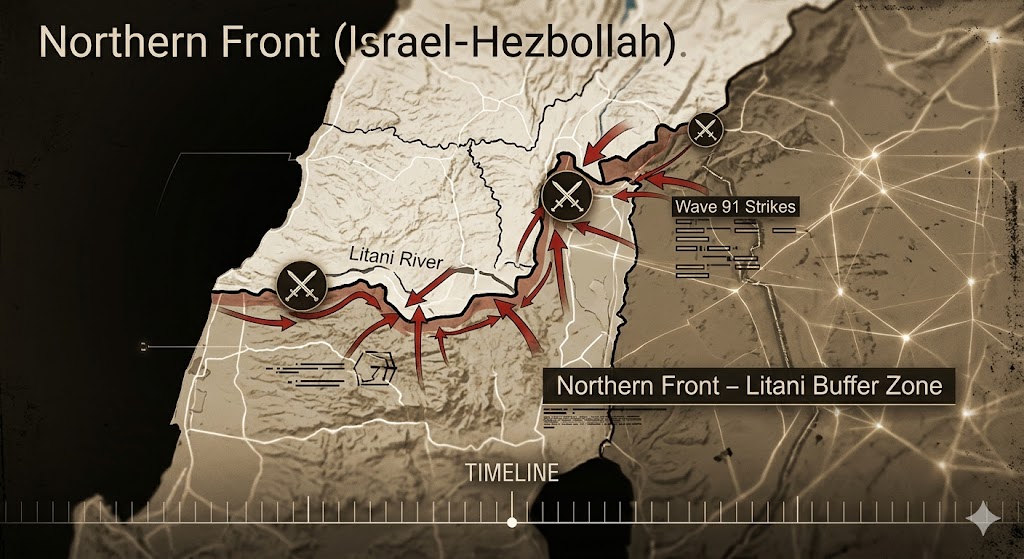
The timing of this maritime bottleneck strain exposes the profound fragility of current Middle Eastern diplomatic frameworks. Despite the short-lived relief felt when Israel and Lebanon finalized a U.S.-mediated ceasefire on June 3, 2026, the structural stability of the maritime market has not recovered. Ongoing friction points in southern Lebanon have left the ceasefire extraordinarily unstable, and the persistent threat of its collapse directly incentivizes Iran’s proxy network to activate secondary leverage points.
For the past several months, global energy syndicates assumed that Hormuz vulnerabilities could be minimized by utilizing overland logistics alternatives. Saudi Arabia, for example, maximized throughput on its East-West Pipeline (Petroline), routing up to 7 million barrels per day of crude directly to its Red Sea export terminal at Yanbu.
However, as analyzed by regional logistics watchdogs, this strategy did not erase operational vulnerabilities; it merely transferred Persian Gulf asset risks directly into the crosshairs of the Bab el-Mandeb corridor.
Economic Realities: The Cost of Isolation
A simultaneous full-scale disruption at both the Strait of Hormuz and the Bab el-Mandeb handles an existential threat to the global economy, effectively blocking up to 25% of all maritime oil and gas transits globally. The logistical consequences are already cascading:
- Insurance Spikes: Underwriters have adjusted risk baselines rapidly. War-risk insurance premiums have surged by an unprecedented 1,000%, climbing from a baseline of 0.01% of total vessel hull value to over 1% per individual voyage.
- The East Africa Shock: According to data from the Global Peace Index 2026, the interlocking nature of the Red Sea crisis is heavily destabilizing the Horn of Africa. Landlocked nations like Ethiopia, which relies on the port of Djibouti for over 95% of its trade volume, are facing hyper-inflationary shocks on fertilizer, fuel, and vital food imports.
- Route Divergences: Standard multi-national shipping carriers (including Maersk and Hapag-Lloyd) are abandoning short-sea transit options entirely. Redirecting fleets around Africa’s Cape of Good Hope adds up to 14 days of transit delay, permanently removing container liquidity from the just-in-time manufacturing network.
Strategic Outlook
The fundamental lesson of the 2026 supply chain crisis is that the globalized “lowest-cost” logistics model possesses no resilience against synchronized non-state proxy warfare. Even if immediate diplomatic channels broker a localized pause, maritime risk frameworks have fundamentally shifted. Western operators are actively forced to accept permanently higher freight rates, longer transit horizons, and regionalized “friend-shoring” maneuvers as standard costs of doing business. The era of unhindered, low-risk movement through the world’s primary economic veins has officially drawn to a close.