Kuwaiti Tanker Kaifan Crew Abandons Ship Strait of Hormuz 2026
Kuwaiti Tanker Attack: Crew Abandons Burning Ship After Hormuz Missile Strike
Operational Focus: STRAIT OF HORMUZ MARITIME INTERDICTION / CREW EVACUATION / POLLUTION & SALVAGE RISKS
Global Security Index: 9.99/10 (Critical Maritime Threat)
I. The Incident: Engine Room Ablaze Off the Omani Coast
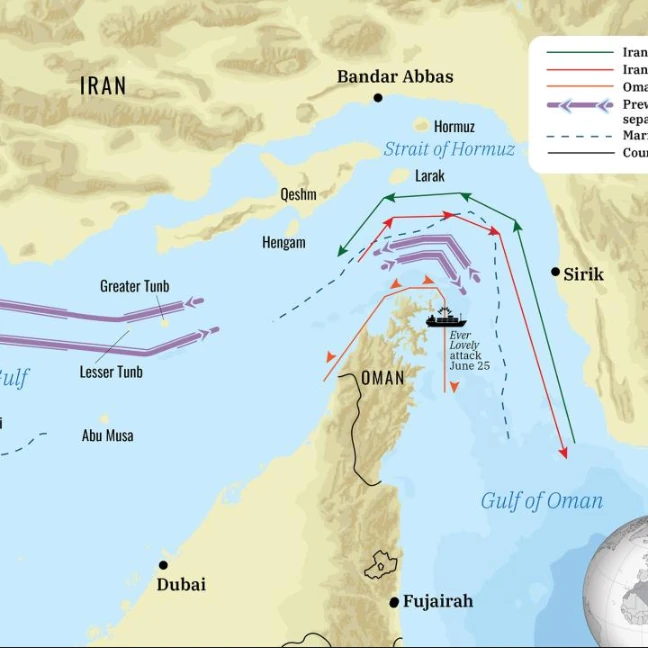
The maritime escalation in the Strait of Hormuz hit a fresh crisis point when the Kuwait-flagged oil and chemical tanker Kaifan, owned and operated by the Kuwait Oil Tanker Company (KOTC), was struck by an airborne projectile—believed to be an Iranian missile or drone—eight nautical miles off the coast of Limah, Oman.
The 46,327-dwt vessel broadcast a distress call on VHF Channel 16 following an explosion that ignited a major fire in its engine room. Unable to contain the blaze with shipboard suppression systems, the vessel’s master gave the order to abandon ship.
┌─────────────────────────────────────────────────────────────────────────┐
│                           INCIDENT INCISION DATA MATRIX                 │
├───────────────────────┬─────────────────────────────────────────────────┤
│ Vessel Name           │ MT Kaifan (IMO 9656046)                         │
│ Flag State & Operator │ Kuwait / Kuwait Oil Tanker Company (KOTC)       │
│ Coordinates           │ 8 Nautical Miles NE of Limah, Oman              │
│ Kinetic Vector        │ Direct Engine Room Impact (Drone / Missile)     │
│ Evacuation Vehicle    │ Primary Lifeboats / Regional Tugboat Assistance │
└───────────────────────┴─────────────────────────────────────────────────┘
II. How the Crew Evacuated and Who Assisted
Upon issuing the distress call, the crew executed standard emergency egress protocols.
- Lifeboat Deployment: The Kaifan’s company security officer confirmed that all crew members successfully boarded the ship’s enclosed lifeboats as thick smoke engulfed the aft superstructure.
- Regional Rescue Operations: Nearby regional tugboats and maritime security assets operating under the advisory of the United Kingdom Maritime Trade Operations (UKMTO) moved in to assist.
- Crew Status: Reports from regional rescue coordinators indicate that all seafarers were safely pulled from the water and nearby lifeboats without fatal casualties. They were transported to emergency staging facilities along the Omani coastline for medical evaluation and debriefing.
III. Is This a Broader Trend?
Yes—this incident represents a dangerous, systemic trend rather than an isolated attack. The Kaifan marks the second major commercial tanker abandoned in under 24 hours.
- Previous Evacuations: Just hours prior, the Malta-flagged product tanker Kavomaleas, managed by Greece’s Dynacom Tankers, was struck twice by unknown projectiles off Kumzar, Oman, igniting an uncontained engine room fire that forced its crew to abandon ship into a tugboat.
- The IRGC Pressure Campaign: Since the breakdown of the temporary U.S.-Iran memorandum, the Islamic Revolutionary Guard Corps (IRGC) has aggressively targeted vessels hugging the Omani route in an effort to enforce its maritime blockade and force shipping lines into Iranian-controlled transit channels.
- Escalating Financial & Human Costs: Maritime risk advisories confirm that war-risk insurance premiums for Hormuz transits have spiked up to 10% of a ship’s hull value. Some global operators are now offering crews six months’ extra salary just to complete a single round-trip through the strait.
V. Environmental Hazards vs. Illicit Smuggling & Salvage
Environmental Risk Assessment
While initial UKMTO advisories noted no immediate large-scale slick at the moment of abandonment, an unmanned, burning tanker drifting in narrow channels poses severe ecological risks:
- Structural Compromise: If the engine room fire spreads to cargo holds or breaches fuel bunkers, thousands of metric tons of refined product or heavy fuel oil (HFO) could spill into the marine ecosystem off Oman.
- Navigational Threat: The abandoned hull remains adrift, creating an unlit collision hazard for other merchant vessels and naval patrols operating in low-visibility hours.
The Danger of Smuggling or Hijacking
With the crew evacuated and the vessel adrift, the Kaifan becomes a prime target for asymmetric maritime maneuvers:
- Illicit Salvage & Boarding: Unclaimed, drifting tankers in the Persian Gulf are highly vulnerable to being boarded by paramilitary forces or opportunistic regional salvage crews.
- Cargo Seizure Risk: If the fire is extinguished naturally or suppressed by regional tugs, there is high potential for hostile actors to tow the vessel into coastal waters to seize or illegally offload its cargo into shadow-navy smuggling networks.
- Military Counter-Operations: U.S. Central Command (CENTCOM) and regional naval allies monitor abandoned hulls closely to ensure they are not rigged as improvised floating hazards or seized by IRGC boarding units.
WarsWW Intelligence Note [REF: MARSEC-2026-0721]
The abandonment of the Kaifan marks a dangerous milestone in the War of Hormuz. By systematically targeting merchant vessel propulsion systems, attack vectors have evolved from harassing radio calls to active hull liquidation. When crews are forced to abandon ship, the resulting deadships create a dual threat: an ecological crisis waiting to detonate and a tactical asset vulnerable to state-sponsored piracy or illegal salvage.