Escalation in Red Sea and Arabian Sea Corridors
Recent intelligence reports from today, March 25, 2026, indicate a critical escalation in the Red Sea and Arabian Sea corridors. The “Houthi Activation” refers to a shift from rhetorical threats to active combat operations, coinciding with the broader US-Israeli-Iranian War that entered a high-intensity phase in late February 2026.
1. Report Expansion: “Houthi Activation” (March 25, 2026)
The term “Houthi Activation” signifies the end of a strategic pause. Following the Gaza Peace Plan of October 2025, Houthi maritime attacks had largely ceased. However, on February 28, 2026, following direct strikes on Iranian soil by US and Israeli forces, Houthi leadership vowed to reopen the “maritime front.”
- Renewed Tactics: As of today, the Houthis have repositioned mobile anti-ship ballistic missile (ASBM) batteries along the Hodeidah coastline. Intelligence suggests they are now coordinating with Iranian surveillance assets (such as the Behshad successor vessels) to target ships in the Bab el-Mandeb Strait.
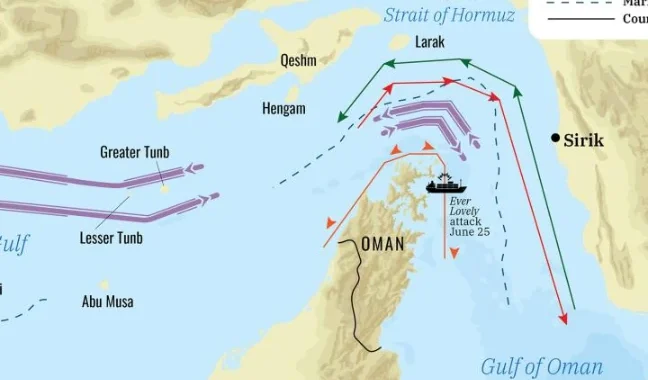
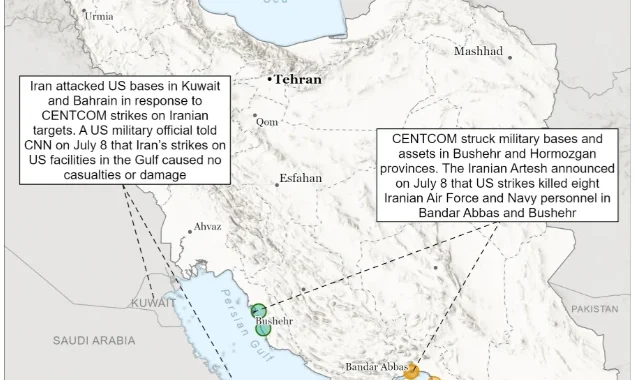
- The Arabian Sea “Critical” Status: While the Red Sea is the primary theater, piracy and attack data for the Arabian Sea has reached CRITICAL levels due to a “security vacuum.” With Western naval assets diverted to the Strait of Hormuz to counter direct Iranian Navy engagements, Somali piracy has seen a resurgence, often using Houthi-style drone technology provided through illicit networks.
2. Definitions: The Houthis & The “Axis of Resistance”
The Houthis (officially Ansar Allah) are a key pillar of the Axis of Resistance, an Iranian-led military and political alliance aimed at countering Western and Israeli influence in the Middle East.
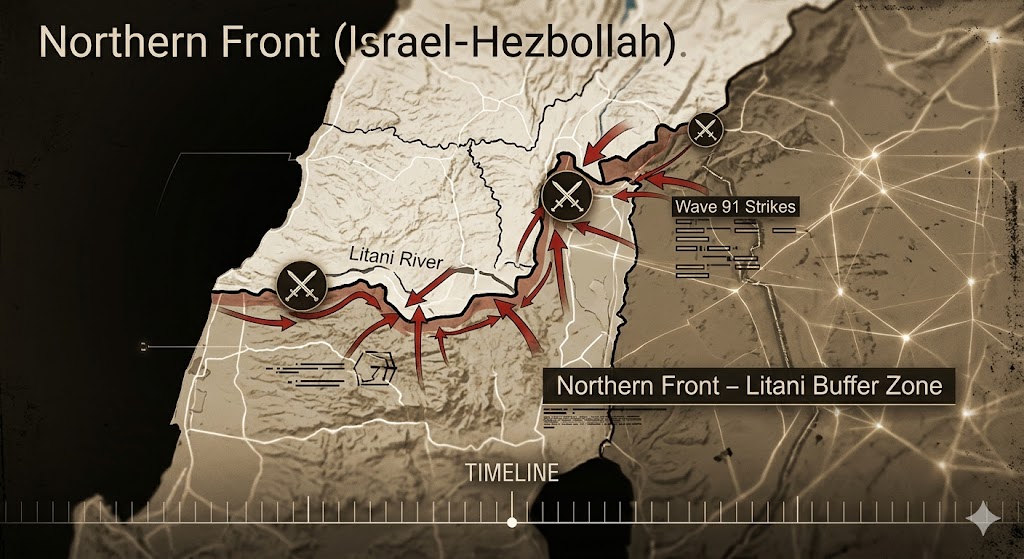
- Hezbollah (Lebanon): The “older brother” of the network. Hezbollah provides the Houthis with technical training and media strategy.
- Islamic Resistance in Iraq (IRI): A coalition of militias that coordinates drone strikes with the Houthis to overwhelm regional air defenses (e.g., simultaneous attacks on Israel from the north and south).
- The Iranian Connection: Iran serves as the “Patron,” providing the components for the Samad drones and Khalij Fars missiles that the Houthis assemble locally. Unlike other proxies, the Houthis maintain a high degree of operational autonomy, often acting as the “wildcard” that can escalate a conflict without a direct order from Tehran.
3. Historical Context: Impact on the Ongoing Iranian War
The history of Houthi maritime aggression is the blueprint for the current 2026 conflict.
- The 2023–2025 Prototype: Between November 2023 and October 2025, the Houthis attacked over 178 vessels, proving that a non-state actor could effectively close a global chokepoint using low-cost asymmetric weapons. This forced the US into Operation Prosperity Guardian, a costly defensive campaign that strained naval resources.
- Economic Attrition: The original Houthi campaign drove Suez Canal traffic down by 90% in 2024, creating the economic “proof of concept” that Iran is now using in the Strait of Hormuz.
- Spillover to the Arabian Sea: As the Houthis pushed their strike range further into the Indian Ocean in 2025, they forced global shipping to adopt “controlled passage” models. Today’s “Critical” threat level in the Arabian Sea is the direct result of this expanded range, as Omani ports like Salalah have become the only viable hubs for rerouted cargo, making them high-value targets for both Houthi drones and Iranian-backed interference.
Strategic Note from WarsWW.net:
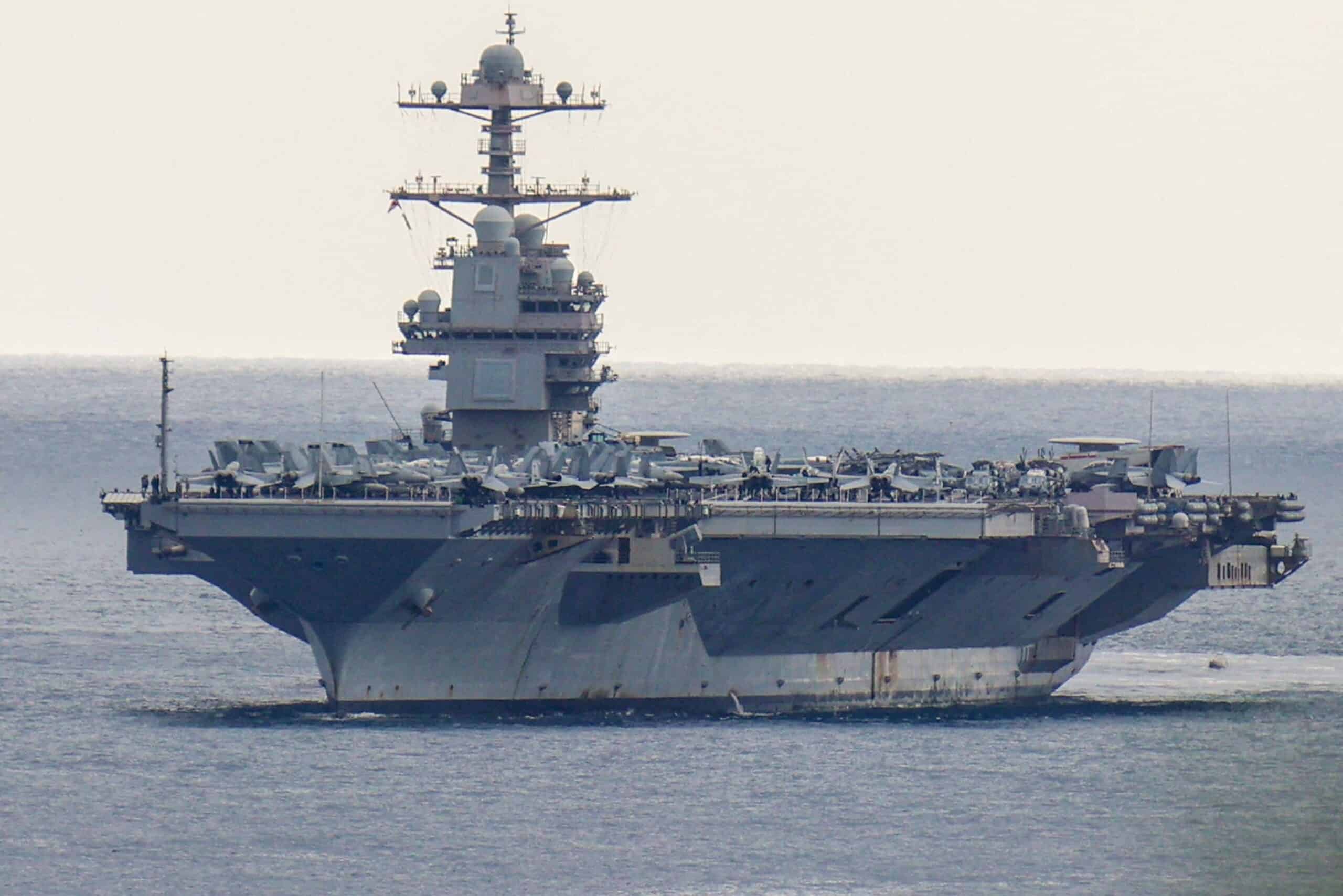
The “Activation” of the Houthis today is widely viewed by analysts at the Institute for the Study of War (ISW) as an attempt to force the US to split its carrier strike groups between the Red Sea and the Persian Gulf, effectively diluting the “Operation Epic Fury” blockade currently strangling Iranian exports.