Potential US Troop Withdrawal from Europe Amid NATO Deadlock over Iran
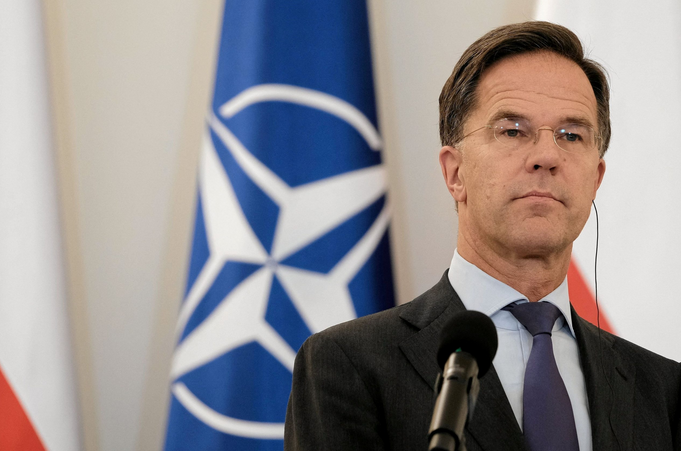
WASHINGTON — President Donald Trump has reportedly begun internal deliberations regarding a significant reduction of the United States’ military footprint in Europe, a move that would represent the most substantial NATO restructuring event in the alliance’s history. The discussions, confirmed by senior administration officials on April 10, 2026, come in the immediate wake of a “tense” and “frank” private meeting at the White House with NATO Secretary General Mark Rutte.
The potential shift in U.S. force posture appears to be a direct response to what the President describes as a lack of “alliance cohesion” during recent U.S.-led operations against Iran.
A Tense Summit at the White House
The catalyst for the current friction was a two-hour closed-door meeting between President Trump and Secretary General Rutte. While Rutte characterized the exchange as a “discussion between friends,” reports from within the West Wing suggest a much more volatile atmosphere.
According to sources familiar with the meeting, the President expressed “deep disappointment” that key NATO allies refused to provide overflight rights or naval support for Operation Epic Fury, the U.S.-led campaign aimed at neutralizing Iranian threats in the Persian Gulf and the Strait of Hormuz.
“They were tested, and they failed,” White House spokeswoman Karoline Leavitt stated, echoing the President’s sentiment. “The American people fund the defense of nations that turned their backs when we needed to secure the world’s energy supply.”
Trump later amplified these grievances on social media, publicly attacking alliance members for not supporting U.S. operations in Iran, which he views as a prerequisite for continued American European Defense Initiative funding.
Structural Implications for European Defense
The reported deliberations involve the potential removal of a portion of the 80,000 U.S. troops currently stationed in Europe under U.S. European Command (USEUCOM). Experts warn that any formal directive to withdraw would have immediate defense equity implications:
- Deterrence Gap: A reduction in U.S. presence could embolden regional adversaries, specifically along the Suwalki Gap, as European nations struggle to fill the capability gap.
- Operational Strain: Many allies rely on the Ramstein Air Base and other U.S. hubs as primary logistics nodes for continental security.
- Alliance Fragility: The move could trigger a “domino effect,” where other member states reassess their own commitments to the North Atlantic Treaty.
The Iran-Hormuz Conflict: A Breaking Point
The friction highlights a fundamental disagreement over the scope of the alliance. While European allies argue that the conflict in Iran does not trigger Article 5 collective defense, the Trump administration views the de facto blockade of the Red Sea and Gulf region as a global security crisis that NATO should have addressed.
Secretary General Rutte acknowledged the President’s frustration but noted that many allies felt “blindsided” by the initial strikes in April, citing a preference for diplomatic channels via the United Nations Security Council.
Image via tovima.com