Record-Breaking Military Spending is Eroding Global Human Wellbeing
The world is currently witnessing a fiscal shift of historic proportions. According to data from the Stockholm International Peace Research Institute (SIPRI), global military expenditure reached an unprecedented $2.71 trillion in 2024, marking the tenth consecutive year of growth. By the start of 2026, analysts at Forecast International projected that this figure would surpass $2.6 trillion annually (adjusted for inflation) and is on a trajectory to hit $6.6 trillion by 2035 if current geopolitical tensions persist.
While these numbers are often framed as necessary for national security, the “guns over people” trade-off is creating a measurable decline in human well-being. This article examines how the diversion of capital into the machinery of war is systematically eroding the quality of life across the globe.
The Dollar Cost of “Security”
To understand the impact on well-being, one must first look at the sheer scale of the financial diversion. The $2.7 trillion spent in 2024 represents roughly 2.5% of the global GDP.
The Heavy Hitters (2025-2026 Estimates):
- United States: Continues to lead with nearly $1 trillion ($997 billion) in annual defense spending, focusing on nuclear modernization and the “Golden Dome” missile defense shield.
- China: Estimated at $314 billion to $530 billion (including unlisted expenditures), driving a massive arms race across the Indo-Pacific.
- Europe: A surge led by Germany and Poland has pushed European spending to its highest levels since the Cold War, with the “Readiness 2030” plan proposing a $903 billion (EUR 800bn) investment in rearmament.
- The Middle East: Israel’s military burden surged to 8.8% of its GDP due to ongoing escalations, while Algeria and Saudi Arabia continue to allocate massive portions of their national wealth to defense.
How War Dollars Erode Quality of Life
The “opportunity cost” of this spending is not theoretical. Every dollar allocated to a missile is a dollar removed from the foundations of a stable society.
1. The Public Health Deficit
Research indicates a direct “crowding out” effect where military spending cannibalizes health budgets. In low- and middle-income countries, a 1% increase in military spending is linked to a nearly equal 1% reduction in public health services. In a post-pandemic era, this diversion leaves nations vulnerable to the next health crisis while shortening life expectancy through underfunded chronic care.
2. Education and the “Lost Generation”
The gap between military spending and the financing needed to reach the UN’s Sustainable Development Goals (SDGs) is widening. While the world spends $2.7 trillion on weapons, the annual funding gap for global education and poverty eradication is roughly $4 trillion. Projections show that redirected funds—specifically less than 4% of current global military spending—would be enough to eradicate world hunger.
3. Economic Instability and Debt
Rising defense budgets are frequently funded through national borrowing. In Europe, the 2025 ReArm Europe plan allows member states to take on $734 billion in extra national debt. This “security debt” burdens future generations, leading to higher taxes, inflation, and reduced spending power for the average citizen.
4. Psychological Well-being and “Perpetual Threat”
Well-being is not just financial; it is psychological. The transition to a “war economy” fosters an environment of perpetual threat. As governments prioritize “Golden Domes” and satellite-based military capabilities—Germany alone plans to spend $39.5 billion on military space capabilities by 2030—the social contract shifts from providing “human security” (housing, food, safety) to “border security.”
Redefining Security for the 2030s
UN Secretary-General António Guterres has warned that “excessive military spending does not guarantee peace; it often undermines it.” As the world moves toward the 2030 deadline for the SDGs, the choice remains stark: continue the current trajectory toward a $6.6 trillion annual war budget, or pivot toward a human-centered security model that prioritizes planetary sustainability and equity.
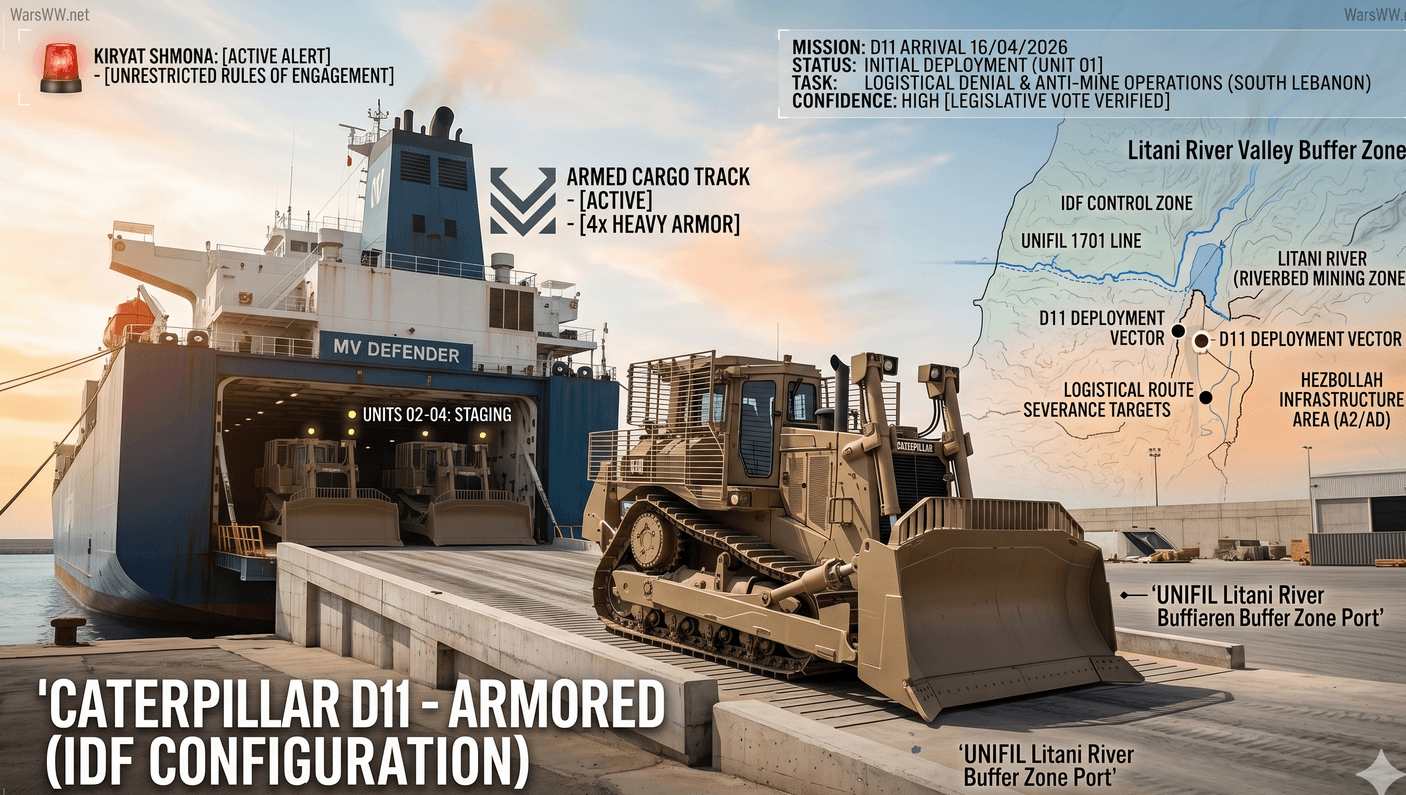
For those monitoring the immediate tactical shifts of these expenditures, particularly in the Mediterranean and Arabian theaters, the fiscal choices made today are already manifesting as hardware on the front lines.
United Nations Secretary-General António Guterres said, “The evidence is clear: excessive military spending does not guarantee peace. It often undermines it—fueling arms races, deepening mistrust, and diverting resources from the very foundations of stability”. He made this statement in September 2025 regarding rising global military expenditures.
Key Details regarding this quote:
- Context: Guterres presented this argument while discussing a report showing global military expenditure hit a record
trillion in 2024.
- Message: He emphasized that soaring defense budgets are diverting necessary funds from sustainable development, climate action, and health.
- Alternative: The UN instead advocates for investing in peace, diplomacy, and development.
While U.S. President Dwight D. Eisenhower famously warned about the “military-industrial complex” in 1961, the specific quote regarding the undermining of peace by excessive spending is a recent statement by António Guterres.
Information from this aricle were sourced from the following primary and secondary sources. These include the foundation article you provided and technical reports covering military and economic data for 2024 through 2026.
Primary Foundation
- The Conversation: “Guns over people: Rising military spending is eroding quality of life around the world” (April 2026). This provided the core thesis regarding “social GDP” and the trade-off between military and social spending.
Military & Economic Data
- SIPRI (Stockholm International Peace Research Institute): Yearbook 2025: Armaments, Disarmament and International Security. This source provided the record-breaking $2.7 trillion figure for 2024 and regional spending breakdowns, including the surges in Israel (65%) and Russia (38%).
- IISS (International Institute for Strategic Studies): The Military Balance 2026. Used for 2025 estimates ($2.63 trillion) and specific details on European procurement plans like “Readiness 2030.”
- Spherical Insights & Consulting: Global Defence Spending Market Analysis. Provided the long-term forecast reaching $6.38–$6.6 trillion by 2035 and the Compound Annual Growth Rate (CAGR) data.
Global Well-being & Impact Reports
- United Nations Office for Disarmament Affairs (UNODA): The Security We Need: Rebalancing Military Spending for a Sustainable and Peaceful Future. This Secretary-General’s report (released late 2025/early 2026) provided the data on the $4 trillion SDG financing gap and the fact that 4% of military spending could end world hunger.
- Transform Defence: NATO’s 3.5% Spending Goal: Unsustainable on every count. This source was used for the analysis of military debt and the “crowding out” effect on climate and social grants.
- United Nations Regional Centre for Peace and Disarmament (UNRCPD): 2026 Briefing Series on Military Expenditure. Provided the specific correlation between a 1% rise in military spending and the subsequent reduction in public health funding.
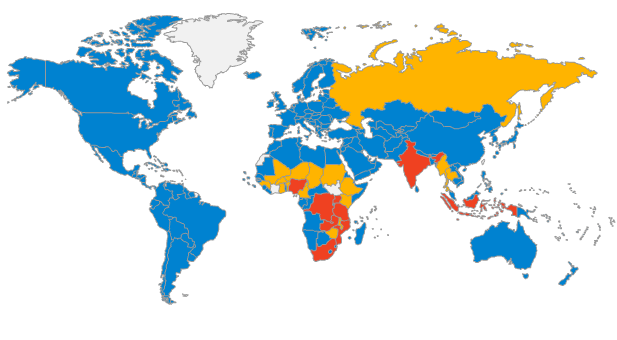
Image from Global-Health-Impact .org