
Tactical Intelligence Brief: Ground Operations & Air Escalation on the Durand Line
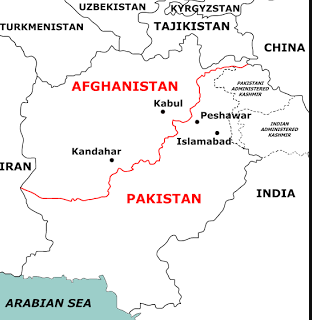
The border dynamic between Pakistan and Afghanistan has dissolved into a state of direct kinetic confrontation following highly synchronized, multi-provincial strikes executed by the Pakistani military. This intelligence breakdown details the operational chronology, tactical targets, and subsequent diplomatic fallout.
1. Operational Catalyst: The Karachi Assualt
According to reports from Al Jazeera, the immediate catalyst for the border operations was a highly coordinated militant assault targeting the regional headquarters of the paramilitary Sindh Rangers in Karachi.
- The Attack: Armed fighters deployed improvised explosives and automatic weapons against the security facility, resulting in the deaths of three paramilitary troops and wounding four others.
- The Intelligence Link: Pakistani defense forces neutralized three attackers on-site and captured a wounded assailant identified as Usman Ali. Interrogations revealed Ali to be an Afghan national hailing from Jalalabad, Nangarhar province, who confessed that his cell crossed the border into Pakistan just seven days prior to the strike.
- The Attribution: Jamaat-ul-Ahrar (JuA), an aggressive splinter faction of the banned Tehreek-e-Taliban Pakistan (TTP), formally claimed operational responsibility.
2. Chronology of the Retaliatory Strike
In immediate response, Pakistan’s Ministry of Defense ordered an “intelligence-based ground operation” paired with high-precision air interdictions targeting suspected TTP and JuA safe havens situated across the Afghan border.
1: Intelligence-Based Ground Operations:Late Sunday Night.
Pakistani security forces engaged in cross-border ground incursions to flush out entrenched militant nodes along the immediate frontier, eliminating four armed fighters identified as active JuA personnel.
2: Coordinated Strategic Airstrikes:Midnight, June 28.
Pakistani fighter aircraft penetrated or bordered Afghan airspace, executing “calibrated precision strikes” against fortified compounds across three distinct provinces: Paktia, Paktika, and Kunar.
3: Cross-Border Retaliation Assessment:Early Monday Morning.
Pakistani Information Minister Attaullah Tarar confirmed via official updates that the air campaign successfully destroyed large stockpiles of ammunition and neutralized 25 additional insurgent combatants.
4: Diplomatic Escalation & Envoy Summons:Monday, June 29.
The Afghan Foreign Ministry formally summoned Pakistan’s chargé d’affaires in Kabul to hand over a severe protest note regarding the violation of sovereign airspace and the destruction of civilian properties.
3. Geographic & Provincial Impact Breakdown
As detailed by independent investigative documentation from The Guardian, the physical toll of the kinetic strikes heavily affected civilian communities due to the proximity of militant hideouts to rural border villages.
| Target Province | Specific Local Sector | Kinetic Impact Details | Reported Casualties |
| Paktia | Chamkani District | Initial strike leveled a local residential home. A subsequent secondary “double-tap” strike targeted local villagers gathering to extract survivors from the initial debris. | 29 civilians killed (including an elderly man and child); 158 wounded. |
| Paktika | Giyan District | Precision air ordnance directly impacted a rural family compound. | 6 civilians killed (primarily women and children). |
| Kunar | Border Foothills | Tactical strike targeted rural terrain, destroying an isolated residential structure. | 0 human casualties; approximately 30 livestock destroyed. |
4. Strategic Implications for Regional Stability
The latest surge in violence effectively dismantles a brief, fragile one-month window of relative calm following what Pakistani leadership previously categorized as an active state of “open war” earlier this year.
Despite diplomatic stabilization frameworks previously explored during China-hosted trilateral security summits, Islamabad remains committed to cross-border unilateral defense maneuvers. With the TTP utilizing localized safe zones and the Taliban government fiercely rejecting Pakistan’s security narratives, the Durand Line continues to solidify as one of Central Asia’s most volatile operational fault lines.