WarsWW Daily Brief: Escalation in Central Asia & Hormuz Brinkmanship
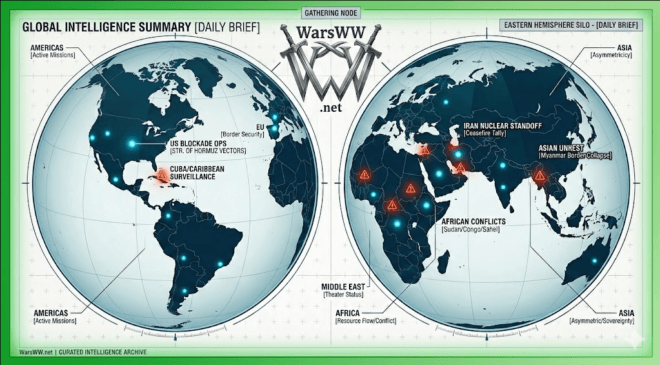
The global conflict landscape has intensified significantly over the past 24 hours, marked by fatal border clashes in Central Asia and a deepening standoff over vital maritime chokepoints in the Middle East. Below is the essential tactical and geopolitical brief for June 29, 2026.
1. Pakistan-Afghanistan Border Explodes into Lethal Violence
A severe military escalation erupted along the Durand Line overnight as Pakistani forces executed coordinated ground operations and airstrikes deep within eastern Afghanistan. According to reports from the United Nations Assistance Mission in Afghanistan (UNAMA), the cross-border strikes killed at least 36 civilians and wounded more than 160 others across Paktia, Paktika, and Kunar provinces.
Pakistani officials defended the cross-border operations, with Information Minister Attaullah Tarar asserting that the strikes successfully neutralized 29 cross-border militants embedded in rural safe havens. However, the Taliban government’s Ministry of Information and Culture vehemently condemned the attacks as a “cowardly act of aggression,” warning that Afghan forces will retaliate in due time.
2. Iran Asserts Total Control of Strait of Hormuz Amid Trilateral Friction
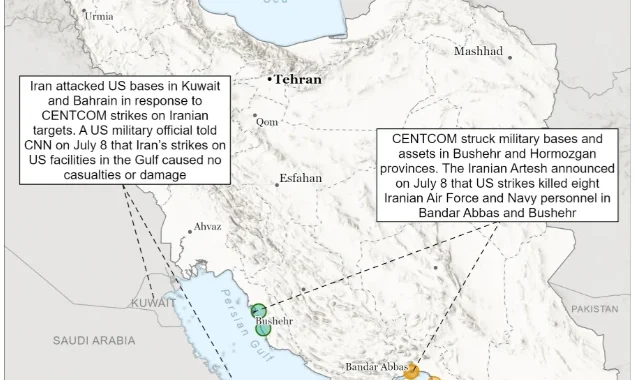
The maritime standoff in the Persian Gulf has reached a critical bottleneck. Iranian Foreign Affairs Minister Abbas Araghchi declared that Tehran assumes sole responsibility for managing traffic through the Strait of Hormuz under the current US-Iran Memorandum of Understanding (MoU). This unilateral declaration follows explicit pushback from the Gulf Cooperation Council (GCC) and Omani diplomatic channels, which firmly reject mandatory tolls or transit fees on international shipping.
Concurrently, diplomatic efforts are scrambling to contain the broader regional theater:
- Doha Technical Talks: White House envoys Jared Kushner and Steve Witkoff are arriving in Doha this week for high-stakes mediation. However, Iran’s semi-official Fars News Agency indicated that direct technical working groups between Washington and Tehran are not yet scheduled, leaving a potential ceasefire hanging in the balance.
- The Lebanon Buffer Framework: In the Levant, Israeli Prime Minister Benjamin Netanyahu confirmed the coordinates of two pilot zones where the Lebanese Armed Forces (LAF) are intended to backfill departing Israeli defense positions. However, Lebanese Parliament Speaker Nabih Berri publicly warned that the U.S.-brokered deal risks fueling internal domestic friction within Beirut due to intense domestic opposition from Hezbollah.
3. Ukraine War: Putin Projects Confidence Amid Deepening Frontline Quagmire
In Eastern Europe, Russian President Vladimir Putin announced that his forces are pressing forward with localized offensive operations across several tactical sectors. Despite the Kremlin’s public projection of battlefield momentum, independent strategic analyses indicate that the theater remains an incredibly costly war of attrition.
As highlighted by the International Strategic Analysis (ISA), Russia continues to absorb high numbers of manpower and hardware losses due to Ukraine’s asymmetric drone networks and hardened defensive lines. While Moscow has intensified its long-range missile strikes against Ukrainian energy infrastructure, Ukraine’s expanded capacity to strike deeper strategic hubs inside the Russian Federation has turned the campaign into an volatile, unpredictable gridlock.
Macroeconomic Impact Focus: The Global Subsidy Surge
The prolonged disruption to maritime traffic in the Middle East is driving severe inflationary pressures worldwide. A newly released report by the United Nations Development Programme (UNDP) projects that global fossil fuel subsidies will swell to an unprecedented $1.1 trillion in 2026—roughly $410 billion higher than last year—as governments desperately attempt to shield consumers from soaring oil prices.