UNSC Gaza Transitional Governance Sudan Sanctions 2026
Conflict Spotlight: The Gaza Governance Gap & Sudan’s Sanction Surge
Intelligence Status: POST-CEASEFIRE FRAGILITY / SANCTIONS ESCALATION
Date: April 29, 2026
The UN Security Council (UNSC) convened yesterday, April 28, 2026, for a high-level open debate led by Bahrain to address the deteriorating security landscape in the Middle East and the escalating humanitarian crisis in Sudan. The session revealed a deepening rift between the diplomatic “Comprehensive Plan” and the lethal reality on the ground in both Gaza and Khartoum.
I. Gaza: The “Yellow Line” and Governance Gridlock
Despite the Comprehensive Plan to End the Gaza Conflict (UNSCR 2803) endorsed last year, Assistant Secretary-General Khaled Khiari warned the Council that the ceasefire is now “increasingly fragile.”
- Transitional Governance: Security Council members heard urgent updates on the proposed transitional administrative bodies intended to manage the Strip. However, talks to disarm militant groups have stalled, raising the specter of a full-scale return to hostilities.
- Medics Under Fire: Reports from Al Jazeera and local health officials confirm that at least four Palestinians were killed in the last 48 hours, including targeted strikes near the Kamal Adwan hospital. Since the ceasefire began, over 800 Palestinians—including seven humanitarian workers—have been killed, prompting accusations that the Israeli military is sidelining the new technocratic governance structure.
- The $71B Reconstruction: A new Rapid Damage and Needs Assessment (RDNA) released by the UN, EU, and World Bank estimates that rebuilding Gaza will require $71.4 billion over the next decade, with $26.3 billion needed in the next 18 months just to restore essential health and water services.
II. Sudan: Targeting the “Invisible War” Architects
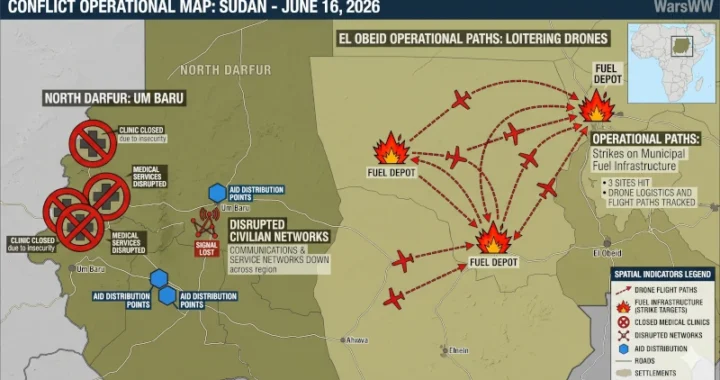
In a significant move toward accountability in the Sahel-adjacent conflict, the UNSC 1591 Sanctions Committee yesterday approved the addition of four entries to its Sudan Sanctions List .
- Individual Designations: The new listings target individuals subject to assets freezes, travel bans, and arms embargos for their roles in fueling the conflict that has displaced millions in Sudan.
- Targeting the Facilitators: Among the new entries are Alvaro Andres Quijano Becerra and Mateo Andres Duque Botero, individuals linked to the logistical and financial networks enabling the warring factions.
image original from Thomas Franke