Us Strikes Iranian Tankers Uk Bans West Bank Settlement Goods September 2026
WarsWW Weekly Brief | September 9, 2026
Intelligence Status: DIRECT U.S.-IRAN NAVAL ENGAGEMENT / WEST BANK TRADE EMBARGO / HORMUZ ESCALATION
Global Security Index: 9.99/10 (Critical Cross-Theater Volatility)
I. Middle East: CENTCOM Destroys Iranian Tankers Following Ballistic Attacks on U.S. Warship
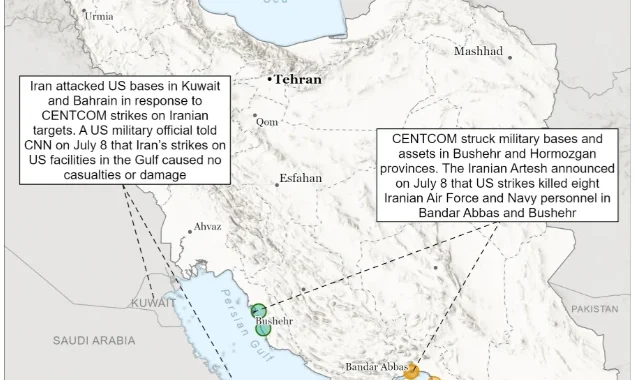
The naval confrontation across the Persian Gulf and Gulf of Oman reached a critical inflection point as direct kinetic strikes between U.S. Central Command (CENTCOM) forces and the Islamic Revolutionary Guard Corps (IRGC) escalated dramatically.
Persian Gulf Kinetic Engagement Matrix
| Theater Node | Operational Mechanism | Documented Strategic Impact |
| Kharg Island & Gulf of Oman | CENTCOM Precision Bombardment | U.S. forces struck and destroyed multiple IRGC-linked oil tankers near Kharg Island after alerting crews to abandon ship. |
| Persian Gulf Maritime Corridor | IRGC Ballistic Missile Volleys | IRGC fired multiple ballistic missiles at a U.S. Navy warship which successfully evaded the attack; IRGC subsequently launched reprisal missiles toward U.S. positions in Jordan. |
| Strait of Hormuz Subsurface | Submersible Interdiction | IRGC forces claimed to seize a U.S. underwater drone; CENTCOM clarified the unit was a defective, unclassified legacy model. |
- CENTCOM Strikes Hit IRGC Tankers: Following repeated ballistic missile attacks targeting American warships patrolling regional waters, U.S. forces executed precision retaliatory runs destroying several Iranian-linked tankers near Kharg Island and Jask. The operation triggered emergency evacuation orders across regional energy ports.
- IRGC Threatens Gulf Energy Terminals: In response to the loss of its vessels, the IRGC issued an emergency broadcast ordering all commercial tanker crews in Kuwait and Bahrain to abandon their ships, threatening immediate targeting.
- Aviation & Economic Sanctions: Complementing kinetic naval operations, the U.S. Treasury Department imposed sweeping new sanctions targeting 36 entities and 27 Iranian airlines accused of logistics transport for the IRGC.
II. Diplomatic Shift: UK and Western Coalition Ban West Bank Settlement Imports
In a major diplomatic pivot, the United Kingdom—joined by an international coalition including France, Canada, and several European partners—announced sweeping restrictions aimed at illegal Israeli settlement activity in the occupied West Bank.
┌─────────────────────────────────────────────────────────────────────────┐
│              WEST BANK SETTLEMENT SANCTIONS MATRIX                      │
├───────────────────────┬─────────────────────────────────────────────────┤
│ Core Legal Position   │ Occupation Declared Entirely Unlawful (ICJ-Based)│
│ Import Restrictions   │ Total Ban on Imports Produced in West Bank      │
│ Financial Controls    │ Sanctions on Firms Financing/Constructing E1    │
│ Regional Endorsement  │ Yemen, Egypt, Jordan, and OIC Issue Support     │
└───────────────────────┴─────────────────────────────────────────────────┘- UK Enforces Import Ban: Foreign Secretary Ed Miliband announced that the UK will prohibit the import of all goods produced in illegal West Bank settlements, alongside a ban on advertising settlement real estate and targeted financial sanctions against firms facilitating construction in sensitive zones like E1.
- Yemen and Regional Support: Yemen’s Ministry of Foreign Affairs officially welcomed the 12-nation joint declaration banning settlement products, affirming that international economic restrictions are critical to halting annexation and protecting two-state viability. Similar endorsements were issued by Egypt, Jordan, and the Organization of Islamic Cooperation (OIC).
WarsWW Intelligence Note [REF: INTEL-DEBRIEF-2026-0909]
The direct targeting of IRGC-linked oil tankers by U.S. forces represents a significant escalation from containment to Active Maritime Interdiction Warfare. As energy assets become primary targets, global crude markets face heightened volatility. Simultaneously, the coordinated 12-nation embargo on West Bank settlement goods highlights how economic levers are increasingly being deployed across both the Middle East naval theater and diplomatic arenas to reshape regional security parameters.