US Iran War Second Phase Ukraine Refinery Strikes Sudan Aid Collapse September 2026
WarsWW Weekly Brief | September 16, 2026
Intelligence Status: U.S.-IRAN SECOND PHASE REORIENTATION / UKRAINIAN COUNTER-REFINERY ATTACKS / SUDAN HUMANITARIAN SUPPLY CRISIS
Global Security Index: 9.99/10 (Critical Multi-Theater Escalation)
I. Middle East: U.S. Signals Operational Pivot as Houthi Drone Raids Surge Into Saudi Arabia
The Persian Gulf confrontation and its regional proxy fronts reached a strategic turning point this week. U.S. leadership signaled that combat operations against Iran will shift to a “much different phase” in the coming months, focusing on restricting Iranian military rebuilding while maintaining naval escort protocols for oil tankers transiting the Strait of Hormuz.
Middle East Kinetic & Proxy Escalation Matrix
| Operational Vector Node | Strategic Action Mechanism | Documented Strategic Impact |
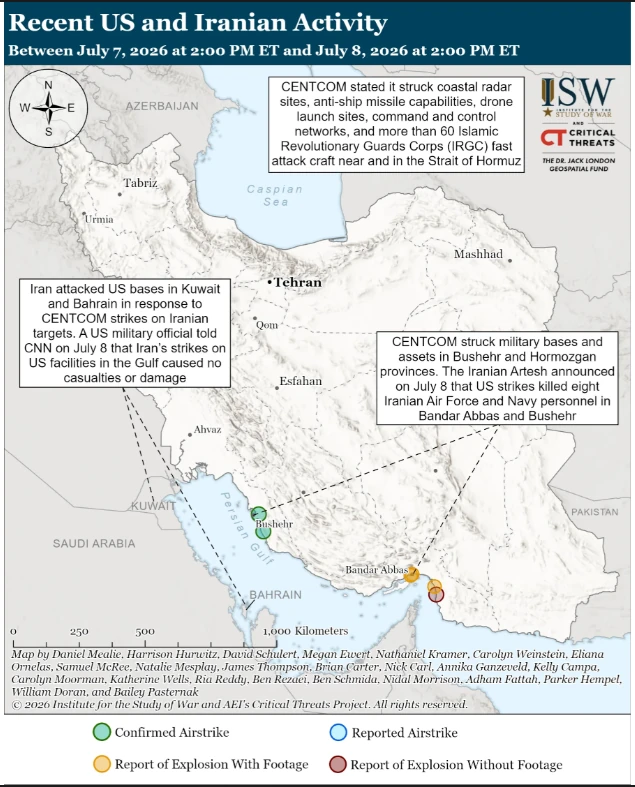
| Persian Gulf & Hormuz | CENTCOM Airstrikes & Escorts | U.S. forces executed retaliatory airstrikes on IRGC targets following drone attempts on commercial vessels, while an average of 14 million barrels of crude daily continue to transit under U.S. naval protection. |
| Southern Saudi Border | Houthi Long-Range Drone Raids | Saudi air defenses intercepted a Houthi suicide drone targeted south of Mecca; Saudi Arabia issued the highest number of Civil Defense attack warnings in a 24-hour period since July. |
| Kuwait & UAE Bases | Iranian Retaliatory Volleys | Iranian forces launched drones and missiles at Ahmad al-Jaber Air Base in Kuwait and Al Minhad in the UAE. |
- Houthi Expansion Into Saudi Territory: In an effort to disrupt Saudi attempts to reroute oil exports away from damaged East-West pipeline corridors, Houthi forces expanded their strike footprint deep into Saudi Arabia, triggering widespread civil defense alerts near Mecca.
- Diplomatic & Casualty Impact: U.S. airstrikes against IRGC military installations in Hormozgan province led to reported civilian casualties in Kuhestak, drawing formal protests, while Peru announced the severance of diplomatic relations with Tehran.
II. Eastern Europe: Ukraine Exchanges Mass Drone Volleys, Targeting Russian Refineries in Krasnodar and Tatarstan
In Eastern Europe, high-intensity aerial interdiction characterized the frontline as both forces exchanged hundreds of long-range strike packages targeting dual-use energy and transportation infrastructure.
Eastern European Attrition Metrics
| Target Coordinate Node | Weapon System Profile | Documented Strategic Attrition |
| Krasnodar & Tatarstan | Long-Range Jet-UAV Swarms | Ukrainian drone strikes hit key oil refining facilities in Krasnodar Krai and the Tatarstan region. |
| Kyiv Capital Sector | Combined Drone & Missile Barrage | Russian forces launched over 450 drones and ballistic missiles across Ukraine, striking SSU headquarters and railway logistics nodes. |
| German Airspace Security | Hybrid Sabotage Interdiction | Germany raised its threat level and closed Russian consulates following drone disruptions at Leipzig/Halle Airport. |
- Refinery Strikes Disregard Pause Calls: Ukrainian strike packages hit fuel processing infrastructure deep in Tatarstan and Krasnodar, continuing a campaign against Russian refining capacity despite international calls for a operational pause.
- Logistics & Capital Targeting: Russian strategic forces retaliated by striking rail hubs used for European defense transport in Western Ukraine and executing drone strikes against security installations in central Kyiv.
III. Sub-Saharan Africa: UN Warns Sudan Emergency Aid Supply Pipeline Faces Imminent Collapse
In Sudan, the humanitarian fallout of the civil war reached a catastrophic juncture as international aid networks faced critical operational and funding shortfalls.
- Humanitarian Pipeline Failure: The International Organization for Migration (IOM) issued an emergency warning stating that Sudan’s Common Humanitarian Pipeline supply stock will run completely dry by the end of September 2026 without immediate emergency funding.
- Expanding Drone Warfare: UN investigators presented evidence to the Human Rights Council highlighting the widespread use of long-range drones by both the Sudanese Armed Forces (SAF) and Rapid Support Forces (RSF), targeting vital urban centers including El Obeid, Kalogie, and regional healthcare hubs.
WarsWW Intelligence Note [REF: INTEL-DEBRIEF-2026-0916]
The shift in Washington’s strategic posture toward a “second phase” in the Middle East indicates a transition from active bombardment to Long-Term Maritime Containment & Economic Denial. However, as proxy actors like the Houthis expand their strike envelope into Saudi energy nodes to disrupt alternative export routes, the conflict continues to threaten global supply chains. Concurrently, Ukraine’s relentless targeting of Russian refining infrastructure in Tatarstan highlights how deep-strike attrition remains central to modern regional wars.