EU-NATO Ukraine War Involvement Factors
The Continental Divide: Why Europe Stalls on the Frontline of Ukraine | EU-NATO Ukraine War Involvement Factors
As the conflict between Russia and Ukraine enters a decisive new phase in 2026, the European Union finds itself at a historical crossroads, caught between the existential necessity of a Ukrainian victory and the paralyzing risks of direct escalation. While nations like Poland fortify their borders with the “East Shield” and the EU commits to a €90 billion financial lifeline, a unified military front remains elusive. The hesitation is not merely a matter of political will, but a complex tapestry of depleted national stockpiles, the legal constraints of neutral states like Austria, and a growing fear of “Grey Zone” warfare. For Europe, the cost of involvement is measured not just in Euros, but in the fragile stability of a continent trying to deter a superpower without triggering a third World War.
The question of why European Union (EU) and NATO countries are not more directly involved in the war in Ukraine involves a complex balance of sovereignty, collective security risks, and internal economic pressures. As the conflict enters its fourth year in 2026, the landscape has shifted significantly, with Europe taking on a much larger role as the principal security backer of Kyiv following a reduction in U.S. military aid.
Below are the primary “good” and “bad” points regarding deeper involvement, along with the specific constraints facing countries like Poland and Austria.
Pros and Cons of Direct Involvement
The “Good” Points (Arguments for Involvement)
- Strategic Deterrence: Proponents argue that a European military presence, such as the proposed “Coalition of the Willing” troop deployments for ceasefire monitoring, would signal that Ukraine is an “inextricable part” of Europe’s security architecture.
- Preventing Precedent: Experts warn that a peace deal on Russia’s terms would set a dangerous strategic precedent, signaling that the EU cannot protect its own frontiers and potentially emboldening Russia to target non-NATO neighbors.
- Defense Industrial Growth: Direct involvement has accelerated the integration of Ukraine into Europe’s defense base, boosting domestic arms production through funds like the €150 billion SAFE initiative.
The “Bad” Points (Risks of Escalation)
- The “Grey Zone” Escalation: Russia has increasingly utilized hybrid attacks on critical infrastructure (subsea cables, power grids) and cyber sabotage. Full military involvement could trigger a catastrophic, non-conventional war across the continent.
- Direct Conflict with Russia: Moscow has explicitly stated that any European soldiers in Ukraine would be “legitimate targets,” raising the risk of a direct NATO-Russia war that most leaders still seek to avoid.
- Domestic Political Backlash: In countries like Italy, public opinion is deeply divided, with many citizens preferring a negotiated peace over continued military escalation.
Specific Constraints: Why Some Countries Hesitate
While Poland and Austria are neighbors, their reasons for restraint are fundamentally different.
Poland: The Frontline Dilemma
Despite being a lead advocate for Ukraine, Poland faces severe military and logistical hurdles:
- Inventory Depletion: Poland has expressed concern over its own dwindling stockpiles of air defense systems, as US-made replacements are delayed or diverted to other global conflicts.
- Border Security: Poland is currently constructing “East Shield,” a massive 700km network of fortifications to defend against potential Russian incursions, requiring significant domestic military presence.
Austria: The Neutrality Policy
Austria remains a unique case due to its constitutional neutrality:
- Legal Restrictions: Unlike Poland, Austria is not a member of NATO. Its status as a neutral state legally prevents it from providing lethal weapons or sending troops to active conflict zones.
- Focus on Humanitarian Aid: Consequently, Austria’s support is almost entirely focused on non-lethal assistance and economic stability within the EU framework.
Summary Table: EU/NATO Involvement Factors
| Category | High-Involvement Incentives | Restraint Drivers |
| Military | Fill the void left by US pullback | Fear of being labeled a “legitimate target” by Russia |
| Financial | €90 billion EU loan for 2026-27 | High cost of rearmament and refugee support |
| Geopolitical | Secure a “seat at the table” for peace talks | Avoiding “grey zone” sabotage of infrastructure |
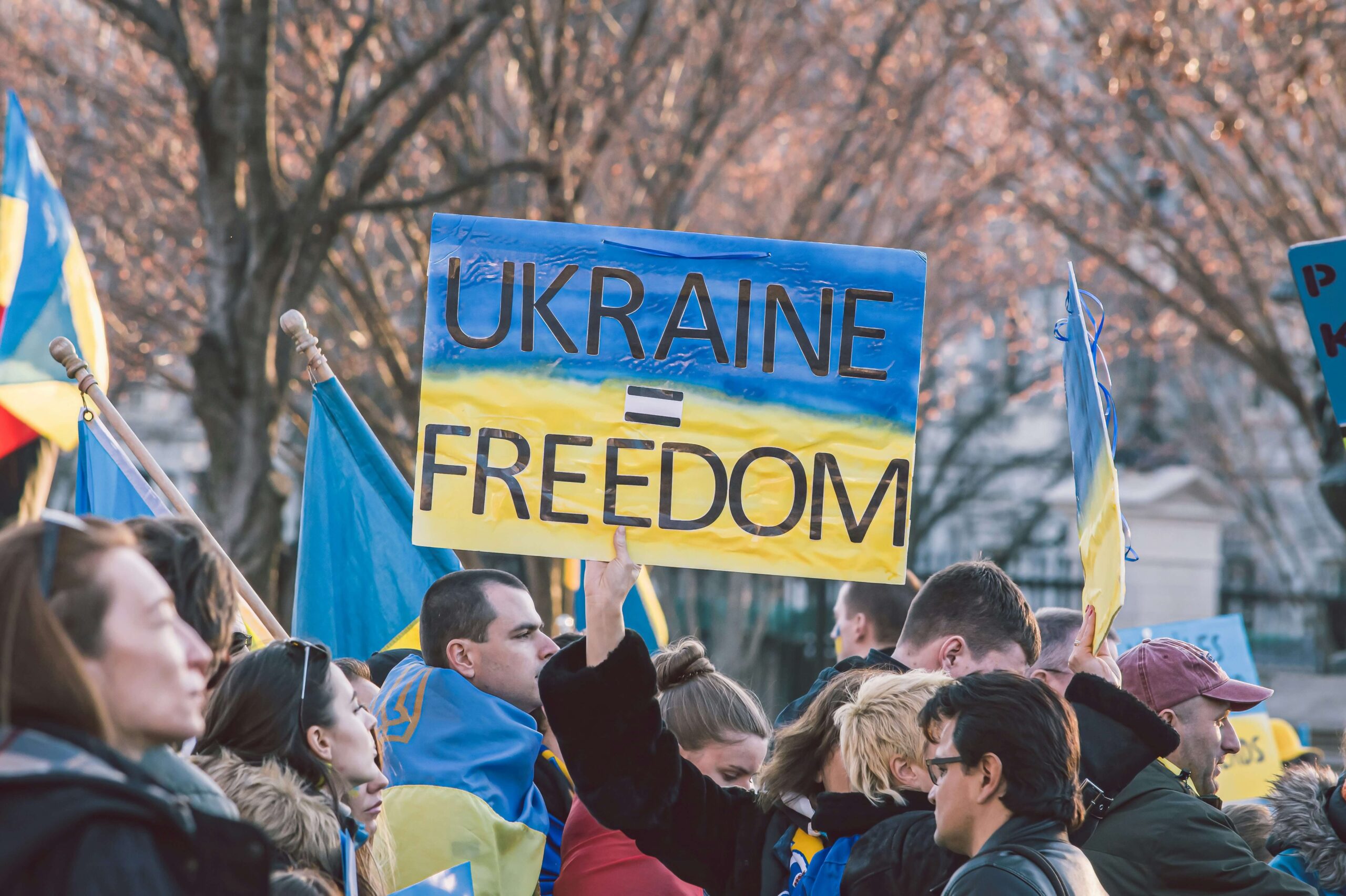
Photo by Gayatri Malhotra on Unsplash