US-Iran Strait of Hormuz Talks
As of today, Monday, March 23, 2026, there is a significant but highly contested update regarding diplomatic “talks” between the United States and Iran. The situation is characterized by a major public contradiction: President Donald Trump claims that productive negotiations are underway, while Iranian officials have flatly denied any such dialogue.
The Status of “Talks” (As of March 23, 2026)
- U.S. Position: President Trump announced today that the U.S. and Iran have had “very good and productive conversations” over the last 48 hours. He stated that these discussions could lead to a “complete and total resolution” of the conflict, which began on February 28, 2026.
- Iranian Position: Conversely, Iranian state media and Foreign Ministry officials have denied any negotiations are taking place. They characterized Trump’s statements as “psychological warfare” intended to manipulate energy markets and buy time for military planning.
- Mediators: While direct talks are unconfirmed, reports indicate that Turkey and Oman have been acting as intermediaries.
What Was Said and by Whom
| Party | Representative | Key Statements |
| United States | President Trump | Announced a five-day postponement of military strikes against Iranian power plants to allow “talks” to continue. He noted that envoys Steve Witkoff and Jared Kushner have been leading the discussions. |
| Iran | Tasnim News Agency / Officials | Stated that no negotiations are underway and warned that the Strait of Hormuz will not return to “pre-war conditions” even if strikes are delayed. |
| Germany | Chancellor Friedrich Merz | Expressed gratitude for the five-day pause, citing deep concerns over the humanitarian and economic impact of striking Iran’s energy infrastructure. |
Effectiveness of the Current Situation
The “effectiveness” of these reported talks depends entirely on whether one views the current pause as a diplomatic breakthrough or a tactical stall.
1. Market Impact (Highly Effective)
The mere mention of “productive conversations” by the U.S. President caused oil prices to plunge by roughly 10% today. Brent crude and WTI both saw sharp declines, and Wall Street stocks surged, reversing weeks of volatility caused by the war.
2. Maritime Security (Ineffective)
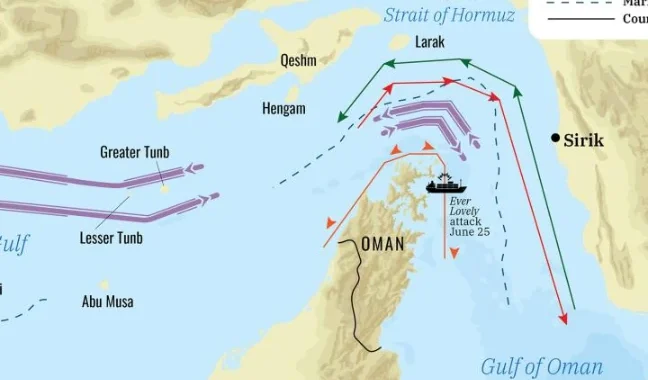
Despite the diplomatic pause, the Strait of Hormuz remains functionally closed to most international shipping.
- Risk remains high: Over 12 merchant ships have been damaged since the conflict began, and war risk insurance has been effectively removed for the area.
- Limited passage: Only a few vessels, such as Indian-flagged LPG tankers, have attempted transit today by broadcasting specific “neutral” identifies.
3. Military Stand-off (Fragile)
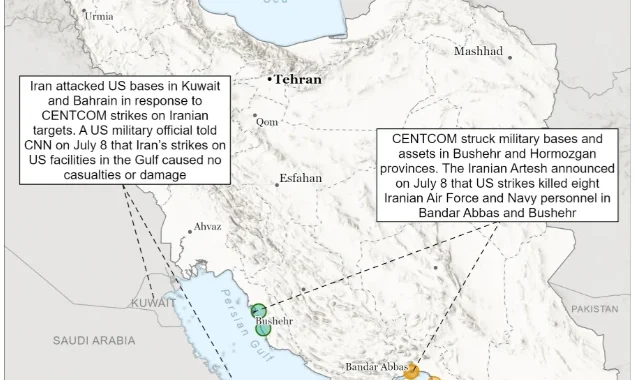
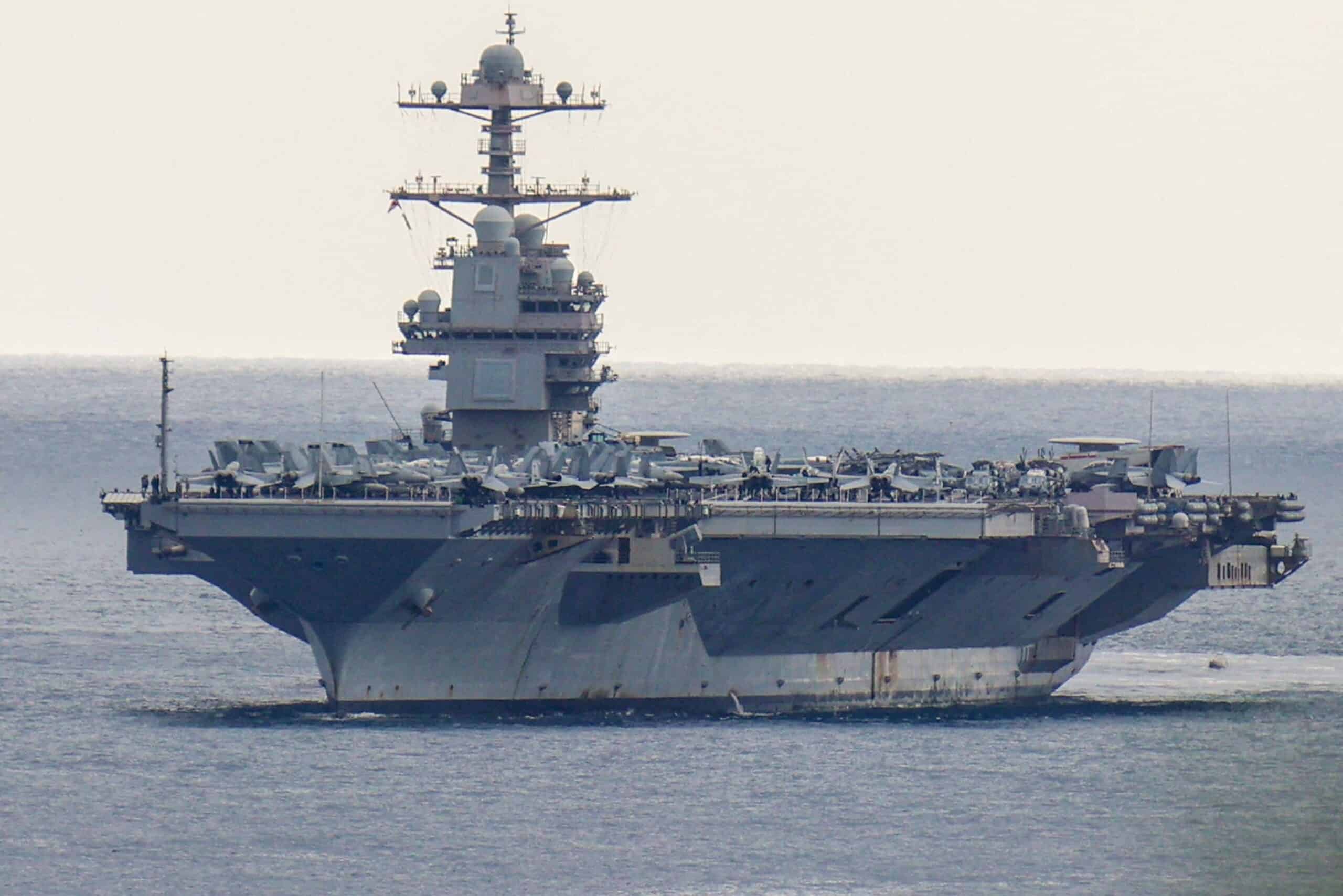
The effectiveness is currently measured in time. The U.S. has moved two aircraft carrier strike groups (the USS Abraham Lincoln and USS Gerald R. Ford) to the region. While the five-day deadline offers a window for diplomacy, the threat of “obliterating” Iranian power plants remains on the table if the strait is not fully reopened by the end of this week.
Image from ABC News