Sudan’s Devastating Civil War Update
As the Sudanese Civil War enters its third year (March 2026), the conflict between the Sudanese Armed Forces (SAF) and the Rapid Support Forces (RSF) has evolved into a catastrophic stalemate, shifting from a power struggle in Khartoum to a nationwide war of attrition.
Current State of the Conflict (March 2026)
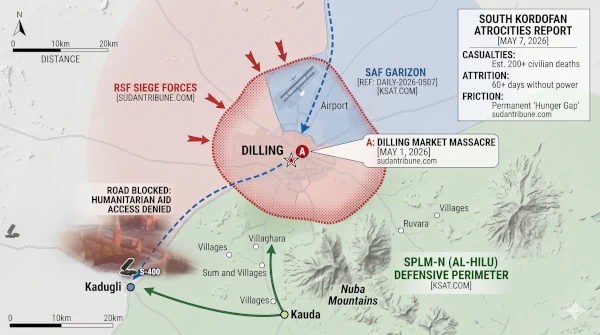
The front lines have largely stabilized along a west-central corridor in Kordofan, with neither side able to secure a decisive victory.
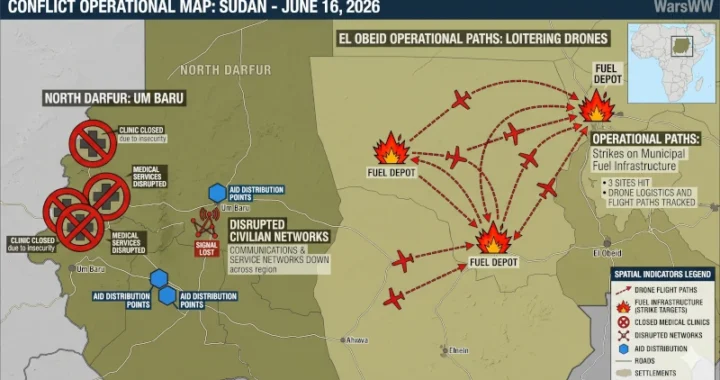
- SAF Strategy: After retaking Khartoum in early 2025, the SAF has shifted to a defensive posture, relying heavily on drone strikes and air superiority to deplete RSF resources while avoiding high infantry losses.
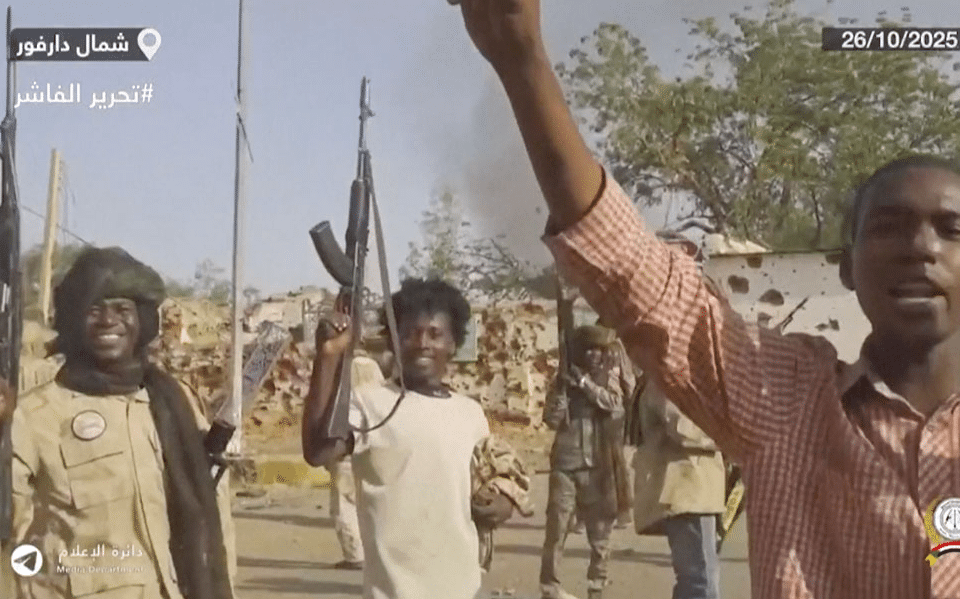
- RSF Strategy: The RSF maintains control over most of Darfur and Gezira state. They recently captured El Fasher in late 2024 after a brutal siege and have recently launched new offensives in Kordofan to secure vital central supply routes.
- Recent Escalations: Just this week (March 20, 2026), a devastating drone strike on Al-Daein Teaching Hospital in East Darfur killed at least 64 people, highlighting the continued targeting of civilian infrastructure.
Fueling the Battle: Funding and Logistics
Both factions rely on a mix of domestic resource exploitation and significant foreign backing to sustain their military operations.
| Feature | Sudanese Armed Forces (SAF) | Rapid Support Forces (RSF) |
| Primary Funding | Control over state institutions, the central bank, and alliances with regional powers. | Massive gold mining and export operations in Darfur and Kordofan. |
| Key Foreign Backers | Supported by Egypt, Saudi Arabia, Turkey, and Iran, providing drones and political legitimacy. | Heavily backed by the United Arab Emirates (UAE) with arms and logistics. |
| Internal Logistics | Leverages formal military bases and recruitment of local “Joint Forces” and RSF defectors. | Operates through mobile paramilitary units and informal smuggling networks across the Chadian and Libyan borders. |
National Impact: A Nation on the Brink
The war has created what many agencies call the largest humanitarian crisis of the 21st century.
- Mass Displacement: Roughly 13.6 million people have been uprooted—nearly 9.3 million internally and 4.3 million as refugees in neighboring countries like Chad and Egypt.
- Famine and Health Collapse: Approximately 21 million people face acute food insecurity, and up to 80% of health facilities in conflict zones have shut down.
- War Crimes: Both sides have been accused of atrocities and war crimes. The RSF is specifically linked to ethnic cleansing in Darfur, while the SAF is frequently criticized for indiscriminate aerial bombing of civilian markets and hospitals.