Israel-Iran Conflict Escalates Sharply
As of March 26, 2026, the direct conflict between Israel and Iran has reached a critical inflection point, transitioning from a “shadow war” into a high-stakes military and economic confrontation. Below is an expanded news report based on your provided text, incorporating verified developments and expert analysis.
Escalation in the Heartland: Airstrikes and Ballistic Salvos
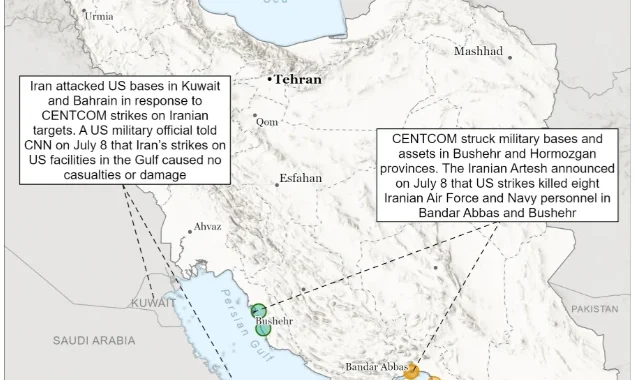
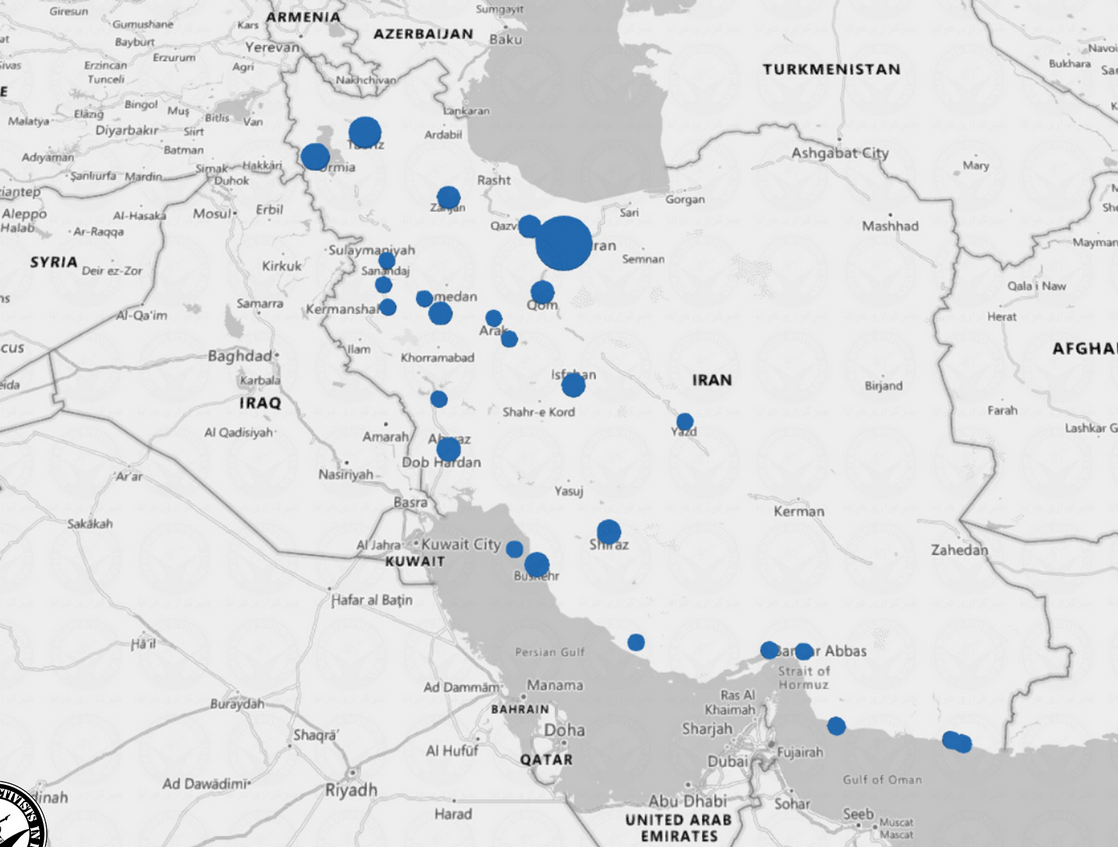
The tactical landscape shifted dramatically this week as the Israeli Air Force (IAF) moved beyond border skirmishes, launching a wave of extensive strikes targeting critical infrastructure in Isfahan and other industrial hubs. Israeli officials confirmed these operations were designed to dismantle Iran’s arms manufacturing capabilities and naval command, notably claiming the death of Alireza Tangsiri, the head of the IRGC’s navy.
In a direct and symmetrical response, Tehran has intensified its long-range campaign against southern Israel. The Israel Defense Forces (IDF) reported detecting multiple ballistic missile attacks targeting Eilat over the last 48 hours. While most projectiles have been intercepted by the Arrow and David’s Sling defense systems, the sheer volume—reaching 13 attacks in a single day—signals Iran’s intent to saturate Israeli defenses and disrupt the strategic Red Sea port.
The Hormuz Stranglehold and the Kharg Island Option
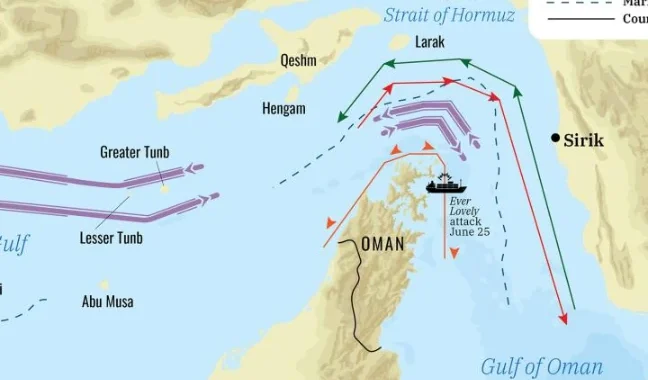
The conflict has now spilled into the global commons. Following the disruption of maritime traffic, Iran has effectively closed the Strait of Hormuz to “hostile” nations, permitting passage only for “friendly” states like China, Russia, and India. UN Secretary-General António Guterres warned that this prolonged closure is “choking” the global movement of oil, gas, and fertilizers at a critical juncture for the global economy.
In Washington, the Biden-Trump transition or current administration (depending on the specific 2026 political context) is reportedly weighing a “final blow” strategy. Reports suggest the Pentagon is contemplating the seizure of Kharg Island, Iran’s primary oil export terminal. While such a move could paralyze Tehran’s revenue, analysts warn it is a high-risk gamble that could provoke retaliatory strikes on other major Gulf energy facilities.
Economic Alarm and “Recession Territory”
The financial world is reacting with mounting dread. BlackRock CEO Larry Fink issued a stark warning that if the threat to regional stability persists, oil prices could surge to $150 per barrel. Fink emphasized that such a spike would act as a “regressive tax” on the global population, likely triggering a steep global recession. Already, the International Energy Agency has characterized the current situation as the largest supply disruption in history.
Diplomacy vs. The Odds
Despite the kinetic escalation, a parallel “shadow diplomacy” is in play. President Trump has claimed that negotiations are “underway” and that Tehran “wants a deal so badly.” However, Iranian Foreign Minister Abbas Araghchi publicly dismissed these claims, stating there are no plans for negotiations and that speaking of a deal now is an “admission of defeat.”
Market sentiment reflects this skepticism. On the decentralized prediction platform Polymarket, the odds of an official ceasefire being reached by March 31 have fluctuated wildly. While recent “insider-style” betting pushed the odds briefly to 24%, the current consensus remains low, highlighting the deep divide between political rhetoric and the reality on the ground.
The Brink of the Abyss: Why the Israel-Iran Escalation is a Global Reckoning
The “shadow war” that defined Middle Eastern geopolitics for decades has finally stepped into the light, and the world is ill-prepared for the glare. As of late March 2026, the direct exchange of fire between Israel and Iran has moved past symbolic posturing into a high-stakes campaign of infrastructure destruction and economic warfare. This is no longer a regional skirmish; it is a systemic threat to the global order.
The Kinetic Reality
The tactical shift began with Israel’s decisive strikes on Iranian command centers, which reportedly claimed the life of IRGC Naval Chief Alireza Tangsiri. Tehran’s response—a relentless barrage of ballistic missiles targeting Eilat—demonstrates a willingness to test the limits of Israel’s multi-layered defense systems. When a sovereign nation launches 13 ballistic attacks in 24 hours, the diplomatic “off-ramp” becomes increasingly difficult to locate.
The Chokepoint of the World
Perhaps more concerning than the missiles is the weaponization of the Strait of Hormuz. By declaring the waterway closed to “hostile” nations, Iran has effectively placed a noose around the neck of the global energy market. The UN’s warning that this closure is “choking” global trade is not hyperbole—it is a mathematical reality for every nation dependent on Middle Eastern crude and LNG.
The potential U.S. response—the seizure of Kharg Island—represents the “nuclear option” of conventional warfare. While it might cripple Iran’s export capacity, BlackRock’s Larry Fink is correct to warn that such an escalation could send oil to $150/barrel, plunging the global economy into a steep recession.
Diplomacy or Delusion?
We are currently witnessing a jarring disconnect between political rhetoric and market data. While Donald Trump insists talks are “underway” and that a deal is imminent, the Iranian leadership has publicly scoffed at the notion.
Predictive markets are siding with the skeptics. On Polymarket, the odds of a ceasefire remain stubbornly low. Investors and citizens alike must face the reality: we are watching a collision in slow motion. Unless a significant backchannel breakthrough occurs within the week, the “global energy shock” will transition from a warning to a lived experience.