Strait of Hormuz Blockade Analysis
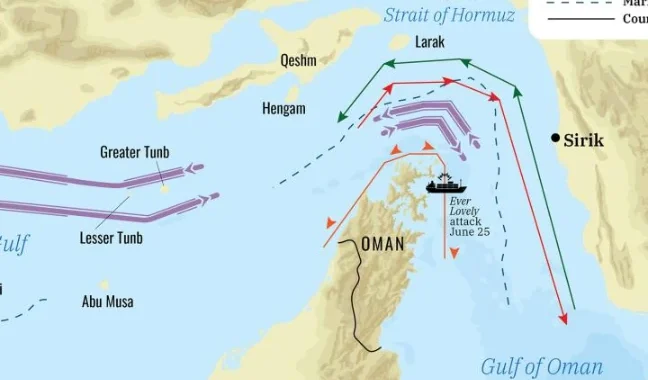
As of late March 2026, the situation in the Strait of Hormuz has evolved from a traditional naval blockade into what analysts are calling an “Insurance Blockade.” While the United States and Israel have largely decimated Iran’s conventional surface navy, the waterway remains functionally closed to commercial traffic due to the high risk of asymmetric strikes and the subsequent withdrawal of war-risk insurance coverage.
Current Strategic Landscape (March 2026)
The conflict, sparked by the February 28 strikes on Iranian leadership and military infrastructure, has gridlocked roughly 20% of the world’s seaborne oil trade. As of March 25, over 300 ships remain stranded inside the Persian Gulf, and transit has collapsed to effectively zero for non-exempt vessels.
Allied Forces & Strategic Strengths
The response is currently bifurcated between the U.S.-Israeli kinetic campaign and a nascent International Maritime Framework.
| Force | Composition | Primary Strength |
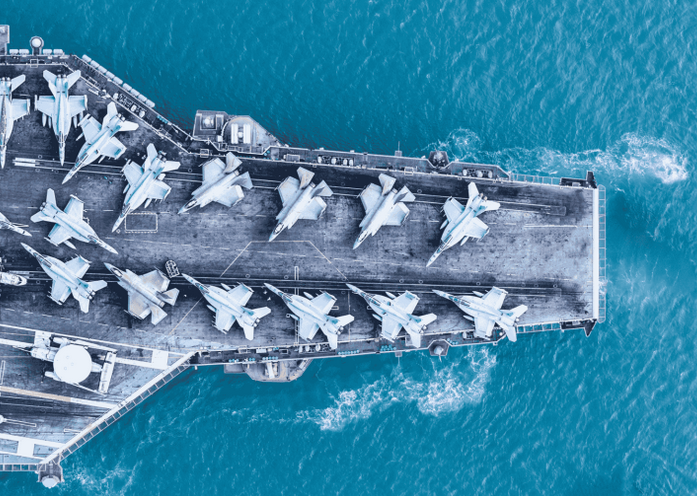
| United States (CENTCOM) | Carrier Strike Group (USS Abraham Lincoln), 5th Fleet, 26th MEU. | High-volume precision strikes, unmanned underwater vehicles (UUVs), and air dominance. |
| Israel (IDF) | Specialized Air Force units, Naval commandos. | Intelligence-driven targeting of IRGC command nodes and missile production sites. |
| Coalition Partners | UK, France, Japan, Canada, UAE, and others (Joint Statement March 19). | Political legitimacy, escort capabilities, and regional port access. |
Allied Weaponry & Tactics
- The “Earnest Will” Reboot: Allies are discussing a return to Cold War-era convoy tactics, using warships to physically shield tankers from attacks.
- Modern MCM (Mine Countermeasures): Utilizing autonomous surface vessels and helicopter-towed systems to detect anchored and influence mines without risking manned crews.
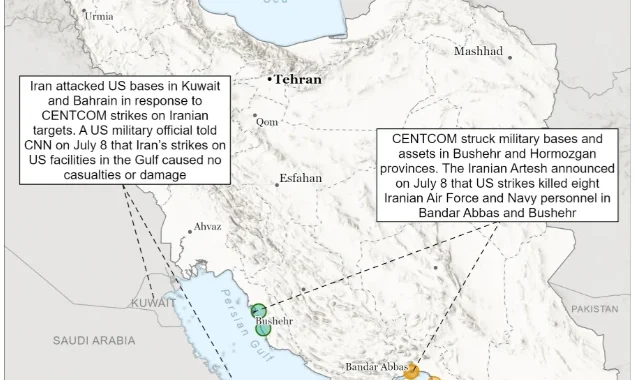
- Aero-Naval Attrition: Continuous bombing of the Iranian shoreline to neutralize mobile Anti-Ship Cruise Missile (ASCM) batteries and small-boat swarms before they can deploy.
- Littoral Diversion: Using Marine Expeditionary Units (MEU) and Cobra gunships to protect commercial crews from boarding parties and “sticky mine” attachments.
Iranian Forces: Tactics of Asymmetric Blockade
Despite losing its major frigates, the Islamic Revolutionary Guard Corps Navy (IRGCN) is utilizing “unrestrained escalation” to maintain the closure.
- Weaponry: A “medley” of subsurface influence mines, cheap one-way attack drones, and shore-based rockets.
- Tactics:
- The “Insurance Strike”: Iran only needs to hit one ship every few days to keep insurance rates prohibitive.
- GPS Jamming: Widespread interference in the Gulf is scrambling AIS and navigation, leading to “dark” ship movements and increased collision risks.
- The “China Bypass”: Tehran has signaled that it will permit Chinese-linked ships to pass, leading some vessels to use “false flag” signals to attempt transit.
A $50,000 Iranian drone can effectively “sink” a $200 million tanker simply by making it uninsurable.
The “Insurance Crisis” has become the invisible front line in the Strait of Hormuz. While naval forces focus on physical security, the global shipping industry is governed by the “Joint War Committee” (JWC) and the fluctuating price of War Risk Underwriting.
1. The Death of “War Risk” Coverage
In standard maritime operations, insurance is split into Hull & Machinery (H&M) and Protection & Indemnity (P&I). However, once a zone is declared a “listed area” by the JWC, shipowners must buy separate War Risk Insurance.
- The 7-Day Breach: As of late March 2026, underwriters have shortened “breach” notices to just 24–48 hours. If a vessel enters the Gulf, its premium is reset daily based on the latest strike data.
- The 10% Premium Threshold: Historically, premiums were a fraction of a percent of a ship’s value. Reports now suggest premiums have spiked to 10% of the hull value per transit. For a VLCC (Very Large Crude Carrier) worth $120 million, a single trip now costs $12 million in insurance alone—often exceeding the profit of the cargo itself.
2. Actuarial Tables vs. Asymmetric Warfare
The Iranian IRGC is exploiting the math of the insurance industry. They do not need to destroy ships; they only need to establish a pattern of “Probable Loss.”
- The “One-Hit” Strategy: By damaging one ship every 72 hours using “limpet mines” or small drones, Iran keeps the “Probability of Loss” (PoL) high enough that Lloyd’s of London syndicates cannot find a mathematical path to profit.
- The Accumulation Risk: Reinsurers (the companies that insure the insurers) are terrified of “accumulation”—the risk that a single barrage could hit 10 ships at once. This has led many to withdraw capacity from the Middle East entirely, leaving ships with no coverage options regardless of price.
3. The Rise of “Shadow” Insurance and False Flags
To bypass the blockade’s economic stranglehold, a “Shadow Market” has emerged, which could be a major plot point for your write-up:
- Sovereign Guarantees: Countries like China or Russia may provide state-backed insurance to their own fleets, bypassing the Western commercial market. This allows “Friendly” vessels to pass while Western-aligned ships remain paralyzed.
- The AIS “Ghost” Fleet: To lower insurance risks (or hide from Iranian targeting), many vessels are disabling their Automated Identification Systems (AIS). This creates a secondary crisis: a massive increase in the risk of collisions in the narrow, crowded channel.
4. Allied Response: The “Sovereign Indemnity” Solution
Allied governments are currently debating a radical move to break the economic blockade:
- The “War Risk Guarantee”: The U.S. and UK are considering underwriting the insurance themselves for essential tankers. If a ship is hit, the taxpayer—not a private insurance company—pays the claim.
- The Escort “Discount”: Allies are pressuring insurers to lower premiums for ships in a military convoy. However, insurers argue that a convoy is actually a “target-rich environment” and may refuse to lower rates until Iran’s coastal missile batteries are totally neutralized.