WarsWW Daily Brief: July 4, 2026
As the United States commemorates its 250th Independence Day with historic celebrations, global flashpoints present a complex picture of fragile truces, maritime standoffs, and evolving economic blockades. Here is the geopolitical breakdown for today.
1. The Fragile Post-War Reality: U.S.–Iran MOU Faces Hormuz Dilemmas
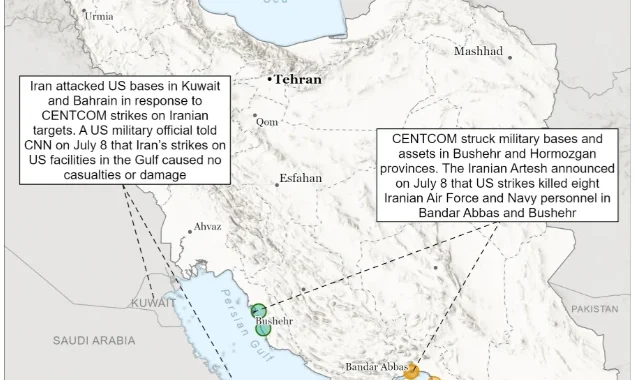
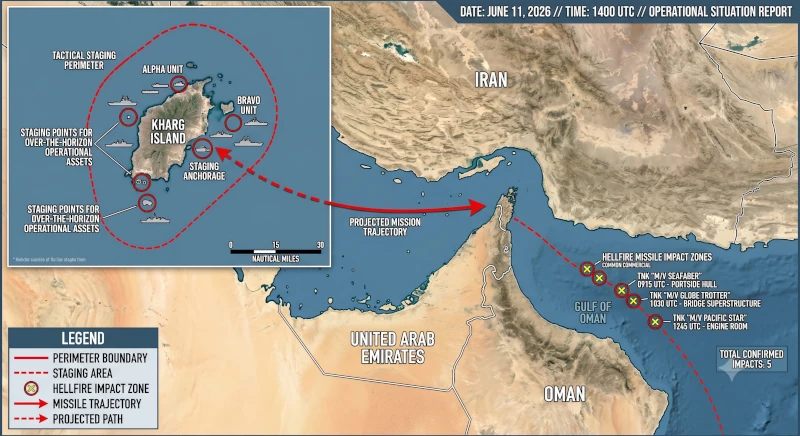
Following months of high-intensity conflict, the newly inked U.S.–Iran Memorandum of Understanding (MOU) is facing its first structural tests. While the formal cessation of major hostilities has brought a tenuous ceasefire to regional energy markets, deep diplomatic friction remains over the long-term status of the Strait of Hormuz.
Analysts note that while active military engagements have slowed, the structural underlying causes of the war—namely Iran’s regional influence and anti-access/area-denial (A2/AD) capabilities—remain completely unresolved. Observers indicate that the lopsided framework agreement may allow Iran to rebuild its core military capabilities rapidly by establishing fresh supply lines, moving the friction away from traditional Gulf transshipment hubs like the UAE and toward clandestine procurement channels. Congress is simultaneously bracing for a domestic political battle, as the total financial cost of the conflict is now estimated to sit between $34 billion and $42 billion, a sum completely unbudgeted in current defense outlays.
2. Diplomatic Defiance: Vice President Vance Addresses Fleet Week Amid Global Tensions
Against the backdrop of the massive “Freedom 250” celebrations, Vice President JD Vance delivered a keynote address to U.S. and allied sailors aboard the USS Kearsarge in New York Harbor. The speech occurred during the International Naval Review (INR) 2026, a massive maritime gathering featuring over 50 warships representing dozens of global navies and coast guards.
While the official tone of the review centers on international goodwill and maritime cooperation, the presence of premier Western naval assets serves as a stark projection of deterrence. The massive display of naval and aerial supremacy—complemented by a 150-aircraft flight review over the Hudson River—comes at a time when the Pentagon is working to reassure allies of long-term American reliability and power projection capabilities following the grueling logistical strains of recent Mideast deployments.
3. Economic Alignment: USMCA Friction Looms Over North American Defense Industry
The geopolitical battlefield isn’t limited to active munitions; it is increasingly playing out in trade architecture. Following a pivotal trilateral review meeting, officials from the United States, Mexico, and Canada failed to reach an automatic 16-year extension for the United States-Mexico-Canada Agreement (USMCA).
The Office of the United States Trade Representative (USTR) explicitly confirmed it would not renew the pact in its current form, triggering a mandatory decade-long phase of rigorous annual reviews. Washington’s refusal to grant long-term certainty stems from deep-seated concerns regarding trade deficits and regional supply chain security. For defense contractors and tech manufacturing, this introduces massive political volatility. Washington is expected to demand stricter rules of origin and harsher penalties for third-party economic penetration—specifically targeting Chinese infrastructure investment in Mexican manufacturing—which directly impacts the supply chain for North American aerospace and defense technology.
- Khamenei Funeral / Iran War Aftermath: Millions are expected in Tehran for Khamenei’s state funeral. An emergency UNSC session convened July 2 following resumed U.S.-Iran military confrontation, with speakers urging implementation of a recently reached peace deal. Verification of bombed nuclear sites and accounting for missing uranium stocks remain unresolved—the Arms Control Association flags this as the deal’s “toughest test.” *(Confidence: HIGH)*
- Ukraine Deep Strike on Votkinsk: OSINT reporting (sentdefender, 18,500+ views) indicates Ukrainian FP-5 “Flamingo” cruise missiles tracked over the Chuvash Republic targeting Votkinsk—home to a major Russian defense manufacturing facility—over 800 miles from Ukraine. Smoke observed at the site. Separately, a Ukrainian missile strike on Belgorod disrupted power and water across the city. *(Confidence: MODERATE — OSINT-sourced, unconfirmed by official statements)*
- U.S. Warns Poland of Russian NATO Provocation: The U.S. has warned Warsaw that Russia is planning armed provocation against NATO’s eastern front in coming months, possibly involving Belarusian-Russian forces crossing into Polish territory or infrastructure strikes. Russia simultaneously threatened action against British interests if tanker detentions continue. *(Confidence: MODERATE)*
- Venezuela Earthquake Crisis: Multiple quakes have reduced a Venezuelan tourist town to rubble, devastating the local economy. The Maduro government is deflecting criticism of its disaster response as “propaganda.” Cristiano Ronaldo’s public message to a survivor signals the humanitarian visibility of the event. *(Confidence: HIGH)*
- Typhoon Bavi — FEMA Emergency Declarations: FEMA issued emergency declarations (EM-3647, EM-3648) for the Northern Mariana Islands and Guam after Typhoon Bavi made landfall July 2-3. USS George Washington (CVN-73) was in port at Guam as of July 1 — status during the storm is unconfirmed. *(Confidence: HIGH)*
- Ebola (Bundibugyo) DRC/Uganda Outbreak Escalating: As of July 1, 1,460 confirmed cases and 452 deaths in DRC; Uganda reporting 20 confirmed cases with secondary transmission among healthcare workers. France confirmed one imported case (medical doctor). CFR approximately 31%. WHO regional preparedness framework activated. *(Confidence: HIGH)*
- Gold/Silver Surge — Safe-Haven Flight: Gold +$119 (+2.9%) to $4,187/oz; silver +4.5% to $62.82/oz. Fear & Greed at Extreme Fear (22). DXY down -0.53%. Nasdaq fell -1.45%. Dow diverged +1.1%, indicating rotation rather than broad risk-on. *(Confidence: HIGH)*
- Active Wildfires — Sub-Saharan Africa & Portugal: FIRMS satellite data shows active fire clusters in the DRC/Zambia border region (Katanga). GDACS reports a 16,896-hectare Portuguese wildfire. Angola wildfire also active. Fire season stress compounding regional humanitarian pressures. *(Confidence: HIGH)*
- Persistent Internet Outages — Africa: IODA data shows week-long critical connectivity degradations in Côte d’Ivoire (-21%), Tanzania (-21%), Syria (-24%), Burundi (-47%), and Liberia (-25%). Duration exceeds 168 hours — consistent with infrastructure failure or deliberate restriction rather than transient fault. *(Confidence: MODERATE)*
- SCOTUS Term Wrap / Federal Judiciary: The 2025-26 SCOTUS term concluded. SCOTUSblog analysis flags: (1) a legal error in the Court’s asylum decision threatening immigration court structures; (2) post-*Slaughter and Cook* Federal Reserve governance uncertainty opening potential “midnight firing” scenarios. CA1 issued paired opinions in *Crosspoint Church v. Makin* and *St. Dominic Academy v. Makin* — religious school funding cases with Establishment Clause implications worth tracking for circuit-level divergence. *(Confidence: HIGH)*
INDICATORS TO WATCH (Next 24-48 Hours)
- Iran Nuclear Verification Access: Will IAEA inspectors gain access to bombed nuclear sites as specified in the MOU? Any public Iranian refusal or U.S. deadline statement will be a leading indicator of deal collapse. *(HIGH priority)*
- Votkinsk BDA (Battle Damage Assessment): Confirm or deny Ukrainian strike on the Votkinsk defense manufacturing plant. If confirmed, expect major Russian retaliatory escalation and NATO consultation triggers.
- NATO Eastern Flank — Polish Border: Any Russian or Belarusian force movements near the Suwałki Corridor or Polish border infrastructure should be treated as a potential tripwire given the U.S. intelligence warning.
- DRC Ebola Spread: Watch for new cases outside DRC/Uganda, particularly in Rwanda or Burundi (already experiencing internet disruption). A second imported case in a Western country would trigger elevated WHO response.
- Typhoon Bavi / CVN-73 Status: Confirm USS George Washington’s operational status post-typhoon. If damaged or repositioned, assess CSG-5 gap in Western Pacific coverage during a period of elevated DPRK and PLA Navy activity.