BAIDOA, SOMALIA: Federal Government of Somalia (FGS) has assumed full control of Baidoa
The strategic takeover of Baidoa by federal forces marks a critical junction in the ongoing decentralization crisis in Somalia. This event, occurring on March 30, 2026, has reshaped the political map of the South West State and significantly impacted the humanitarian landscape.
Federal Forces Seize Baidoa: End of Stand-off with South West State Authorities
BAIDOA, SOMALIA (March 31, 2026) — In a decisive military and political move, the Federal Government of Somalia (FGS) has assumed full control of Baidoa, the interim capital of the South West State (SWS). The takeover follows two weeks of escalating tensions that brought the city to the brink of large-scale urban warfare and triggered a mass displacement of civilians.
The Military Escalation
The confrontation reached a breaking point on March 30, when an FGS military convoy, reportedly consisting of 600 to 800 soldiers supported by local allied militias, entered the city.
- Tactical Entry: Fighting began approximately six kilometers outside the city center. Federal troops entered via the animal market sector, quickly moving to secure key administrative buildings.
- Withdrawal of SWS Forces: Forces loyal to the regional administration withdrew from their positions to avoid prolonged street fighting. By late Monday, the SWS Security Minister, Mohamed Isak Osman, confirmed that the Federal Government had fully assumed responsibility for Baidoa’s security.
Root of the Conflict: The Constitutional Dispute
The epicenter of the dispute lies in a fundamental disagreement over governance and term limits:
- The Mandate Crisis: Mogadishu maintains that SWS President Abdiaziz Hassan Mohamed Laftagareen’s mandate expired in 2022.
- Constitutional Reforms: Tensions spiked in early March 2026 after the FGS adopted constitutional reforms extending presidential terms from four to five years and introducing direct universal suffrage. Laftagareen, alongside leaders in Puntland and Jubaland, formally suspended cooperation with the FGS on March 17, citing illegal interference in regional governance.
- Resignation: Following the federal takeover, reports indicate that Laftagareen has resigned and reportedly departed for Nairobi, with the state’s finance minister appointed as acting president.
Humanitarian Crisis & Displacement
The political brinkmanship has exacted a heavy toll on the local population. According to reports from DG ECHO and the UN, the insecurity led to:
- Mass Exodus: Over 50,000 people have fled Baidoa over the last two weeks, moving toward Mogadishu or deeper into the Bay and Bakool regions.
- Health Risks: Displaced families are facing secondary displacement and rising cases of Acute Watery Diarrhea (AWD) due to poor sanitation in temporary sites.
- Flight Suspensions: All commercial and private flights were suspended from SWS airports starting March 18, though humanitarian exemptions were eventually granted for evacuations.
Expert Analysis: The “Domino Effect”
Analysts at the Horn Review suggest this takeover is a major victory for President Hassan Sheikh Mohamud’s administration but warns of a “domino effect.” With SWS now under federal alignment, the FGS has secured a key power base holding 78 seats in the federal parliament. However, the move has further alienated Puntland and Jubaland, who view the use of military force in Baidoa as a dangerous precedent that threatens the very fabric of Somalia’s federal system.
This report is based on verified data from AFP, ReliefWeb, and the European Commission.
As an independent outlet, we prioritize the humanitarian impact alongside military movements. The peaceful entry into the city center avoided a “bloodshed” scenario, but the political fallout for the 2026 national elections remains the critical story to watch.
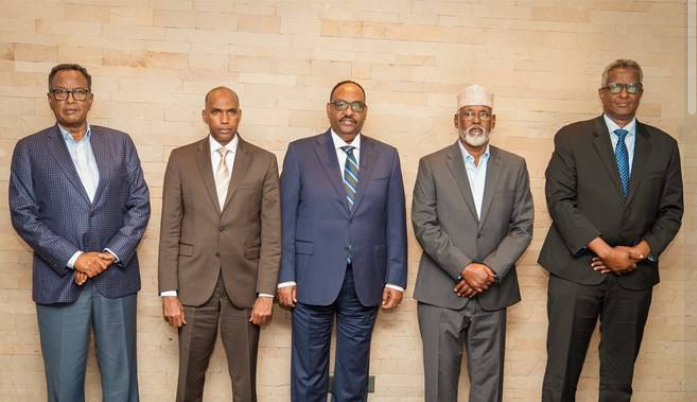
The Somali Future Council (SFC) is a major political opposition coalition formed in October 2025 by regional state leaders and prominent national opposition figures, primarily aimed at challenging the Federal Government of Somalia (FGS) regarding constitutional reforms and election procedures.
Key details regarding the Somali Future Council as of early 2026:
- Formation and Composition: Established in Nairobi in October 2025, the coalition united the regional governments of Puntland and Jubaland with the Somali Salvation Forum. Members include high-ranking leaders such as Puntland President Said Abdullahi Deni, Jubaland President Ahmed Mohamed Islam, and former Prime Ministers.
- Core Objectives: The SFC seeks to influence the country’s political transition, security responsibilities, and governance reforms. The council has advocated for adhering to the 2012 provisional constitution, which they argue is being violated by the current administration.
- Political Stance (2026):
- Constitutional Rejection: In March 2026, the SFC rejected the federal government’s new constitution approval process, labeling it illegal.
- Opposition to Election Procedures: The council has been involved in intense negotiations regarding election dates and the, for example, questioning the validity of processes regarding regional elections, such as in South West State.
- Dialogue Conditionality: The SFC has set conditions for joining talks with the federal government, insisting that the 2012 constitution is not bypassed and focusing on national issues like security and the fight against Al-Shabaab.
- Structure: The council established a six-member interim coordination and secretariat team to manage their agenda and 90-day, or medium-term, action plans.
The coalition is regarded as the largest opposition group facing President Hassan Sheikh Mohamud as the country approaches the end of the current government’s term in May 2026.
Photo from: https://hiiraan.com