Iranian Ballistic Missiles Target Saudi Energy Hubs; 7 Intercepted Over Eastern Province
WarsWW News Desk Published: April 7, 2026 | 518 words, 3 minutes read time.
DHAHRAN, Saudi Arabia — In a major escalation of the 2026 regional conflict, Saudi Arabian air defenses intercepted and destroyed seven Iranian ballistic missiles launched toward the kingdom’s oil-rich Eastern Province early Tuesday. While the Saudi Ministry of Defense confirmed the successful neutralization of the primary threats, falling debris has reportedly ignited fires near critical energy infrastructure, including the Al Jubail industrial complex, the world’s largest petrochemical hub.
The Attack and Interception
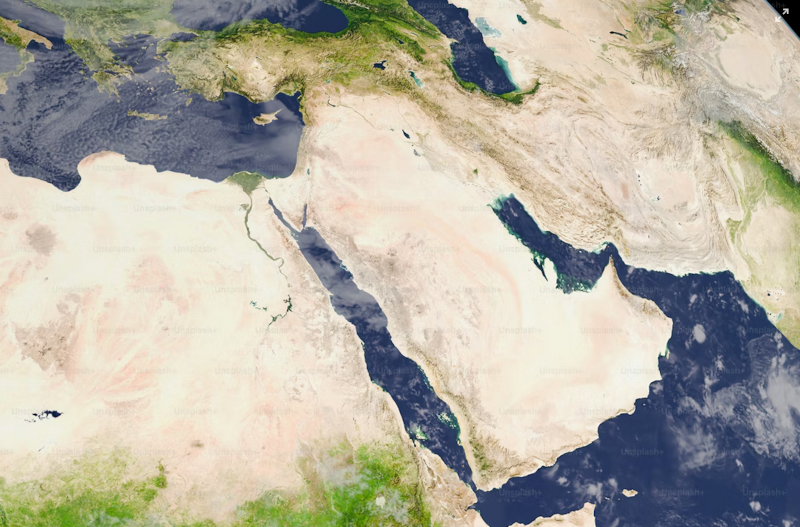
According to Maj. Gen. Turki al-Malki, spokesperson for the Saudi Ministry of Defense, the “hostile aerial targets” were detected in the early hours of April 7. The Royal Saudi Air Defense Forces (RSADF) engaged the missiles over the Eastern Region, a strategic heartland for global energy production.
- Casualties: No immediate fatalities have been confirmed, though emergency services are active in several residential and industrial zones.
- Infrastructure Impact: Fragments from the intercepted missiles landed near petrochemical plants in Al Jubail. Local reports and social media footage showed thick black smoke rising from the industrial zone, prompting authorities to order partial evacuations and suspend operations in several refineries to prevent a “chain reaction” of explosions.
- Logistical Closures: As a precautionary measure, Saudi authorities have indefinitely closed the King Fahd Causeway, the vital bridge link connecting the kingdom to Bahrain, citing the risk of follow-up strikes.
Saudi Arabia’s Strategic Response
Riyadh has maintained a stance of “strategic restraint” throughout much of the 2026 Iran-Israel war, but this direct targeting of the Eastern Province marks a shift in the kingdom’s defensive posture.
- Defense Mobilization: The Ministry of Defense has placed all Patriot and THAAD missile battery units on “Red Alert” across the eastern seaboard and the capital, Riyadh.
- Diplomatic Condemnation: In a phone call with Crown Prince Mohammed bin Salman, Pakistani PM Shehbaz Sharif condemned the “overnight attack on Jubail” and reaffirmed Islamabad’s military support for the kingdom.
- Energy Continuity: Saudi Aramco has reportedly activated its emergency business continuity plan, diverting some crude flows toward Red Sea terminals via the East-West Pipeline to bypass the volatile Gulf coast.
Global Oil Market Fallout
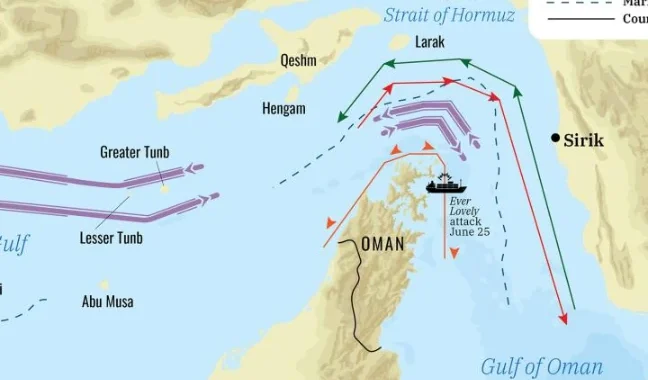
The strikes come at a precarious moment for global markets. With the Strait of Hormuz already restricted, the direct threat to Saudi production facilities has sent Brent Crude prices surging toward $125 per barrel.
Analysts warn that even successful interceptions pose a risk. “The psychological impact of debris hitting Jubail is enough to trigger a massive risk premium,” noted one energy analyst at the Energy Economics and Society Research Institute. “If Saudi Arabia’s ‘heartland’ is no longer considered a safe haven, the global energy supply chain faces a systemic collapse.”
The “April 7 Deadline”
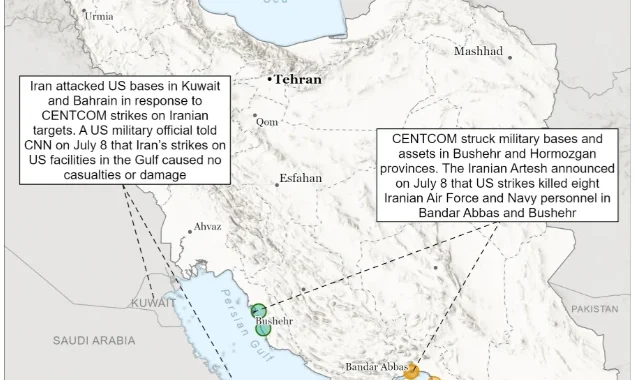
The attack occurred just hours before a critical deadline set by U.S. President Donald Trump, who warned of “devastating attacks” on Iranian infrastructure if Tehran does not cease its regional escalations and reopen maritime corridors. The UN has urged all parties to avoid targeting civilian and energy infrastructure, citing the risk of a “total collapse of international law.”