UN Paralysis: The Death of Multilateral Deterrence in the Strait of Hormuz
The veto of the Gulf-backed resolution on April 7, 2026, has effectively “shuttered the windows” of the UN Security Council regarding the Hormuz crisis. While 11 nations voted in favor, the dual veto by China and the Russian Federation confirms that the Council is no longer a tool for collective security, but a theater for great-power obstruction.
For our readers at WarsWW.net, this isn’t just a failed vote; it is a structural collapse of the “Rules-Based Order” in real-time.
The failure to adopt the draft resolution proposed by Bahrain and the GCC marks a “new low” for international diplomacy. By blocking a text that simply encouraged “coordinated defensive efforts,” Moscow and Beijing have effectively signaled that Iranian control over global energy chokepoints is a acceptable price for counterbalancing Western influence.
1. The Breakdown of UN Bargaining Power
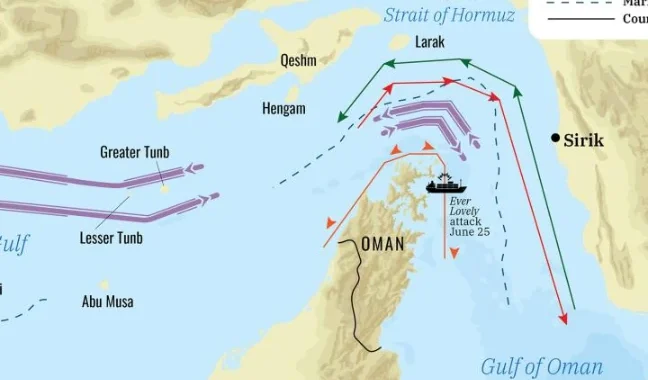
The Security Council’s inability to act on the Strait of Hormuz—a waterway responsible for 20% of the world’s oil and 25% of its LNG—renders the UN’s leverage in world conflicts nearly non-existent.
- The “Alternative” Trap: Russia and China’s promise of a “concise and equitable” alternative resolution is widely viewed as a stalling tactic. By calling for “de-escalation” without condemning the seizure of commercial vessels, they are providing legal cover for the ongoing maritime blockade.
- Credibility Gap: For smaller states in the Gulf, the UN is now seen as a “Paper Tiger.” If the Council cannot protect the world’s most vital energy artery, its ability to provide support or intervention in “secondary” conflicts (such as Sudan or the Congo) is fundamentally compromised.
2. The U.S. Power Deficit: Influence in Retreat
The United States, represented by Ambassador Mike Waltz, finds itself in a paradoxical position: it remains the world’s dominant military force but is increasingly isolated in the diplomatic arena.
- Failure to Build Consensus: Despite the U.S. urging “responsible nations” to join a multinational naval coalition, several G7 allies (including Germany and Japan) have taken a “cautious approach.” The UN veto reinforces this hesitation, making it harder for Washington to build a legitimate, UN-sanctioned “Operation Prosperity Guardian II.”
- The Shift to Regionalism: As the UN fails, the U.S. is losing its role as the “Global Architect.” Power is shifting toward localized, ad-hoc military alliances that bypass the UN entirely. This “minilateralism” weakens the U.S.’s long-term ability to set global standards for international law.
3. Geopolitical Fault Lines: The 2026 “Tipping Point”
The veto underscores a hardening “GZero” world where no single power can stabilize the system.
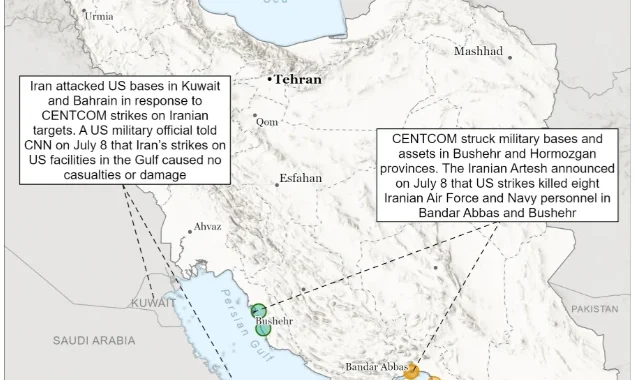
- Sino-Russian Alignment: China’s Fu Cong argued the draft ignored the “root causes”—a clear reference to the US-Israeli strikes against Iran on February 28. This alignment turns every local conflict into a proxy battle between the West and the “Eurasian Bloc.”
- Economic Attrition: With only 9 vessels passing through the Strait daily (down from the usual 150), the lack of a UN resolution ensures that energy prices will remain volatile, directly fueling the “Trump Economic Morass” and global inflation cited in recent risk reports.
Strategic Analysis for WarsWW.net
For a platform like WarsWW.net, this UN paralysis is a major reporting signal. It means:
- OSINT is the new “UN Observer”: Since UN monitors cannot get on the ground (or sea), independent OSINT tracking of naval movements is now the only way to verify compliance with international law.
- The Rise of “Gray Zone” Tactics: We expect to see more “BGP hijacking” and “Electronic Blockades” in the region, as state actors realize the UN cannot or will not intervene in digital or maritime interference.
Editorial Note: We have updated the Timeline Red Sea to include this UN failure. As the Council’s leverage fades, our role in providing verified, real-time data becomes the primary source of truth for the “Strait of Hormuz Crisis.”
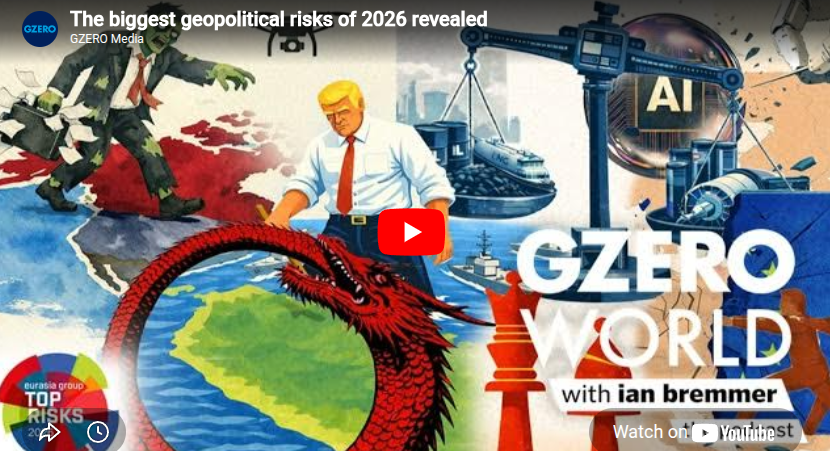
The Geopolitical Risks of 2026 Revealed
This panel discussion explores how the dissolution of the global order and the paralysis of international institutions like the UN are creating a world with fewer guardrails and higher risks.
Source Verification List
- Veto Details: UN Security Council: Russia and China veto resolution on Strait of Hormuz — Official UN report on the April 7, 2026, vote (11-2-2).
- China’s Position: UNSC fails to adopt draft resolution — Explaining Ambassador Fu Cong’s statement on “root causes.”
- Economic Data: Hormuz Strait Live Monitor — Real-time data showing 95% throughput loss and price spikes above $115/barrel.
- U.S. Ultimatum: Russia and China veto watered-down resolution — Context on President Trump’s 8:00 PM Eastern deadline.
- Shipping Impacts: Lloyd’s List Intelligence — Analysis of the 800+ vessels currently stranded in the Gulf.