Iran’s Nuclear Capabilities: Divided Views
The discussion regarding Iran’s nuclear capabilities is currently at a critical juncture, characterized by a significant divide between intelligence assessments, regulatory monitoring, and the rhetoric of state leaders.
As of March 2026, the following points outline the varying perspectives from authoritative bodies versus other sources:
1. International Regulatory Perspective (IAEA)
The International Atomic Energy Agency (IAEA) serves as the primary technical watchdog. Its reports focus on verifiable physical data rather than intent.
- The “Short Step” Warning: Director General Rafael Grossi has repeatedly noted that Iran’s stockpile of 60% enriched uranium is technically a short step away from 90% weapons-grade material.
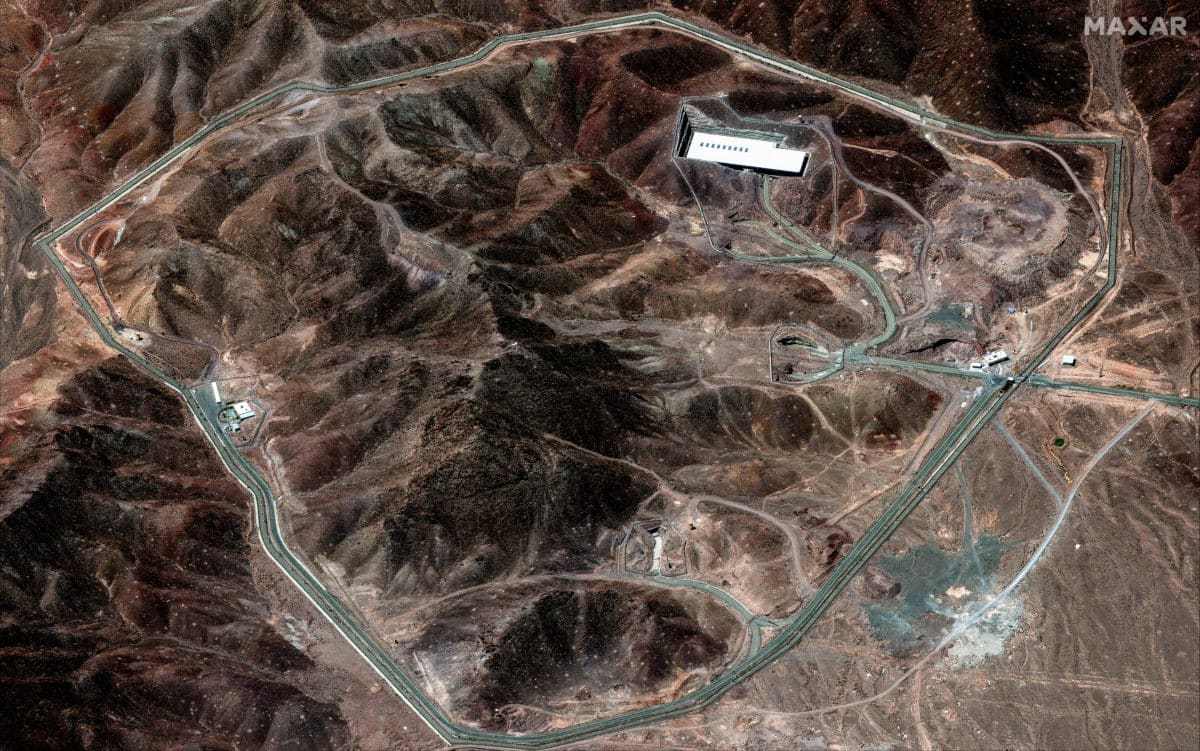
- Verification Gaps: Following military strikes in 2025 and 2026, the IAEA has reported a loss of “continuity of knowledge” due to restricted access to sites like the new underground facility in Isfahan.
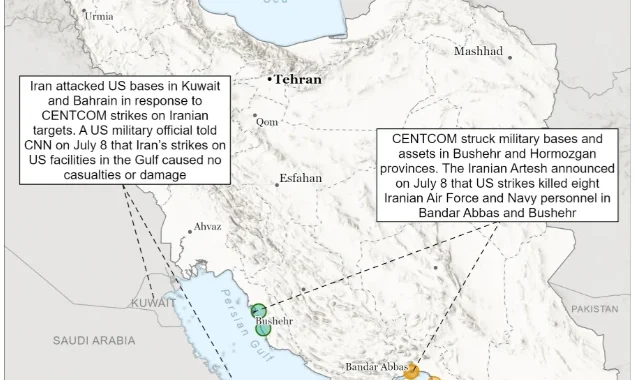
- Distinction of Facilities: The IAEA distinguishes between the Bushehr nuclear power plant (civilian energy) and enrichment sites like Natanz and Fordow. While Bushehr has remained mostly intact and under monitoring, the enrichment sites have been the primary targets of military action.
2. State Leaders and Military Objectives
The rhetoric from U.S. and Israeli leadership often prioritizes “imminent threat” logic to justify military operations, which can sometimes clash with technical reports.
- The “Two-Week” Claim: President Trump has asserted that Iran was within two weeks of a nuclear weapon prior to the launch of “Operation Epic Fury” in February 2026.
- Strategic Defanging: U.S. Secretary of State Marco Rubio and Secretary of War Pete Hegseth have framed the current conflict as a necessary systematic destruction of Iran’s “zone of immunity,” targeting not just nuclear labs but the ballistic missile infrastructure required to deliver a warhead.
3. Intelligence Community (IC) Assessments
The U.S. Intelligence Community provides a more nuanced view that often bridges the gap between the IAEA’s technical data and political rhetoric.
- Capability vs. Rebuilding: In March 2026, DNI Tulsi Gabbard testified that while Iran’s previous enrichment capabilities were “obliterated” in 2025, there was no evidence of an immediate rebuild or a coordinated weapons program.
- Delivery Systems: The 2026 Annual Threat Assessment notes that while Iran has the technology for space launch vehicles, it may not possess a militarily viable ICBM capable of hitting the U.S. until 2035, depending on the lasting impact of current strikes.
4. Think Tanks and Independent Analysts
Think tanks like the Council on Foreign Relations (CFR) and the Arms Control Association provide the “contextual tissue” that state leaders may omit.
- Nuclear Latency: Analysts often argue that Iran’s goal is “nuclear latency”—having all the components ready without actually assembling a bomb—to use as leverage in negotiations.
- Critique of Military Force: Some experts argue that while strikes can destroy centrifuges, they cannot destroy knowledge. They suggest that military escalation may actually incentivize Iran to finally cross the threshold to ensure regime survival.
Summary Table: Perspectives on Iran’s Nuclear Status (March 2026)
| Source Group | Primary Concern | View on “Breakout” |
| IAEA | Monitoring & Safeguards | Technical ability exists; intent is unverified. |
| U.S. Executive | Regime Threat | Imminent; requires preemptive military “obliteration.” |
| U.S. Intelligence | Long-term Stability | Capability is currently degraded; no active “rebuild” detected. |
| Think Tanks | Geopolitical Balance | Latency is a tool for leverage; strikes may be counterproductive. |