Mexican Cartels More Agitation After Maduro Gone
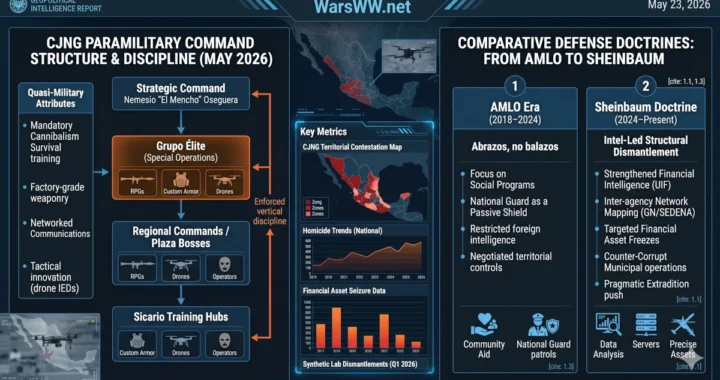
The landscape of transnational organized crime in the Americas has been radically reshaped by two major events in early 2026: the U.S. military capture of Nicolás Maduro in January and the killing of CJNG leader “El Mencho” in February.
The relationship between Mexican and Venezuelan criminal structures has shifted from a state-sanctioned “protected bridge” to a fragmented, highly volatile scramble for new routes.
1. The Pre-Capture Era: The “State-to-Cartel” Pipeline
Prior to his capture on January 3, 2026, the Maduro administration was alleged by the U.S. Department of Justice to have operated as a hierarchical narco-terrorist organization known as the Cartel of the Suns (Cártel de los Soles).
- Sinaloa-Venezuela Nexus: The Sinaloa Cartel was a primary partner, utilizing Venezuelan territory as a “safe zone” for massive cocaine shipments. Key officials allegedly coordinated with the Sinaloa Cartel to move multi-ton loads via “dark” flights from the state of Apure and maritime vessels from Puerto Cabello.
- Political Control as a Service: Unlike typical gangs, the Venezuelan “cartel” used the state’s diplomatic and military cover to protect logistics and arbitrate conflicts between Mexican groups and Colombian suppliers like the ELN.
- Exporting Violence: This partnership allowed the Tren de Aragua (TdA), a Venezuelan gang, to expand across South America, often operating as a regulatory and enforcement arm for more established drug interests.
2. Post-Maduro: Fragmented Chaos and “Kingpin” Fallout
The removal of Maduro has not dismantled the drug trade; instead, it has triggered what analysts call a dangerous phase of state fragmentation.
- Venezuelan Power Vacuum: With the “central coordinator” gone, groups like the Tren de Aragua and the ELN are now vying for control over lucrative border territories and illicit gold mines. The “equilibrium” Maduro maintained between internal military factions has collapsed.
- Mexican Cartel Agitation: Simultaneous to the Venezuelan crisis, the Mexican security landscape exploded after the death of CJNG leader El Mencho on February 22, 2026. This has led to:
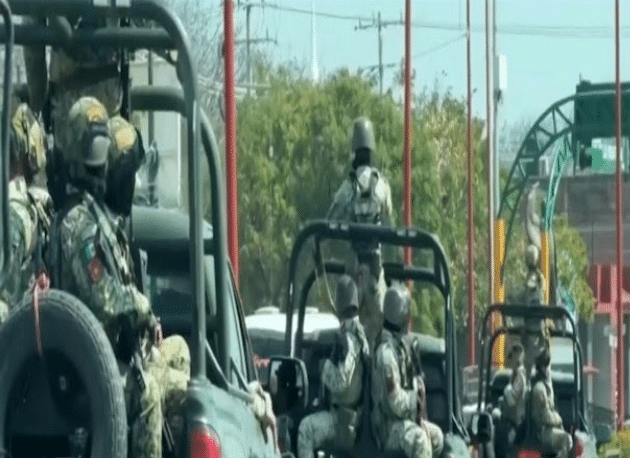
- “War-like” Conditions: Retaliatory attacks in Mexico have prompted U.S. shelter-in-place advisories for major tourist hubs like Cancun and Puerto Vallarta.
- Unlikely Alliances: In a desperate bid for survival, factions of the Sinaloa Cartel (Los Chapitos) have reportedly formed alliances with their rivals in the CJNG to maintain control of trafficking corridors amidst the chaos.
Comparison: Productivity vs. Agitation
| Metric | Pre-Maduro Removal | Current (March 2026) |
| Operational Stability | High (State-protected routes) | Low (Constant inter-cartel warfare) |
| Productivity | Efficient, large-scale bulk exports | High volume, but utilizing unmanned subs and new corridors to bypass U.S. naval blockades. |
| Agitation Level | Controlled (State-mediated) | Critical (Internal purges and state-targeted retaliation) |
| Political Influence | Institutionalized within Venezuela | Shifting toward co-optation and corruption of remaining local officials. |
The current consensus among think tanks like the IISS and Global Initiative is that while “decapitating” the leadership has satisfied political goals, it has accelerated the diversification of criminal activities into human trafficking, cyber scams, and illegal mining.