Africa Internet Outages Worsen Crises
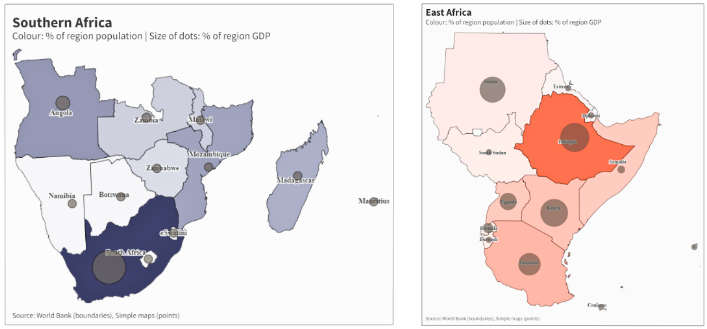
Amidst rising regional tensions and environmental crises, the Horn of Africa and neighboring regions are currently grappling with significant digital disruptions. Recent reports from late March 2026 indicate that Zimbabwe and Ethiopia have been hit by critical Border Gateway Protocol (BGP)-level internet outages, lasting upwards of 24 hours, while Chad has also exhibited unusual connectivity anomalies network outage report 2026.
Humanitarian Crisis Compounded by Connectivity Gaps
The timing of these disruptions is particularly devastating for Ethiopia, which is already reeling from a series of natural disasters. On March 10, 2026, torrential rains in the Gamo Zone of Southern Ethiopia triggered massive flooding and landslides. At least 125 people have been confirmed dead, and over 11,000 residents have been affected, many of whom are now displaced and seeking shelter in churches and schools humanitarian crisis report.
The BGP-level outages—which effectively “unpublish” a country’s network from the global internet map—have severely hindered relief efforts. Humanitarian organizations such as the Ethiopian Red Cross and the World Food Program rely on digital coordination to navigate blocked roads and deliver medical supplies to remote highland areas disaster update March 16. Without stable internet, the ability to issue early warnings for continued rainfall or to coordinate life-saving trauma care has been crippled.
Who is Behind the Outages?
While some global outages in early 2026 have been attributed to technical misconfigurations—such as a major Cloudflare BGP error in February—the disruptions in Ethiopia and Zimbabwe are frequently tied to state actors.
- Ethiopia: The Ethiopian government has a documented history of using internet shutdowns as a strategic tool to control narratives during periods of unrest. Since 2016, Ethiopia has recorded approximately 30 instances of shutdowns Africa internet repression.
- Zimbabwe: Similar disruptions often coincide with political demonstrations or economic instability, where authorities seek to prevent the organization of protests and the spread of unverified information.
Impact on Regional Conflicts
Digital blackouts are increasingly being “weaponized” to manage ongoing conflicts in the region:
- Accountability Vacuum: In areas like Oromia and the northern regions, shutdowns prevent journalists and international observers from documenting human rights abuses, including extrajudicial killings and sexual violence Amnesty Ethiopia report.
- Military Advantage: By severing communications, state forces can conduct operations without the risk of real-time civilian reporting or opposition coordination. Research has shown a direct correlation between the duration of internet blackouts and the number of conflict-related deaths in specific regions.
- Economic Sabotage: These outages have massive economic costs, with sub-Saharan Africa losing over $1.6 billion in 2024 due to shutdowns. In 2026, these disruptions continue to stifle online remittance systems and banking, further destabilizing populations already vulnerable to food insecurity and inflation.
As the UN and organizations like UNESCO warn of the rising trend of digital blackouts, the current situation in East and Southern Africa serves as a stark reminder of how infrastructure can be used to isolate populations during their most critical moments of need.
Image from https://issafrica.org